Illinois Athletics Posts Record Revenue and Record Expenses
The University of Illinois athletic department is seeing historic financial figures on both sides of its ledger, reflecting broader trends in college sports economics.
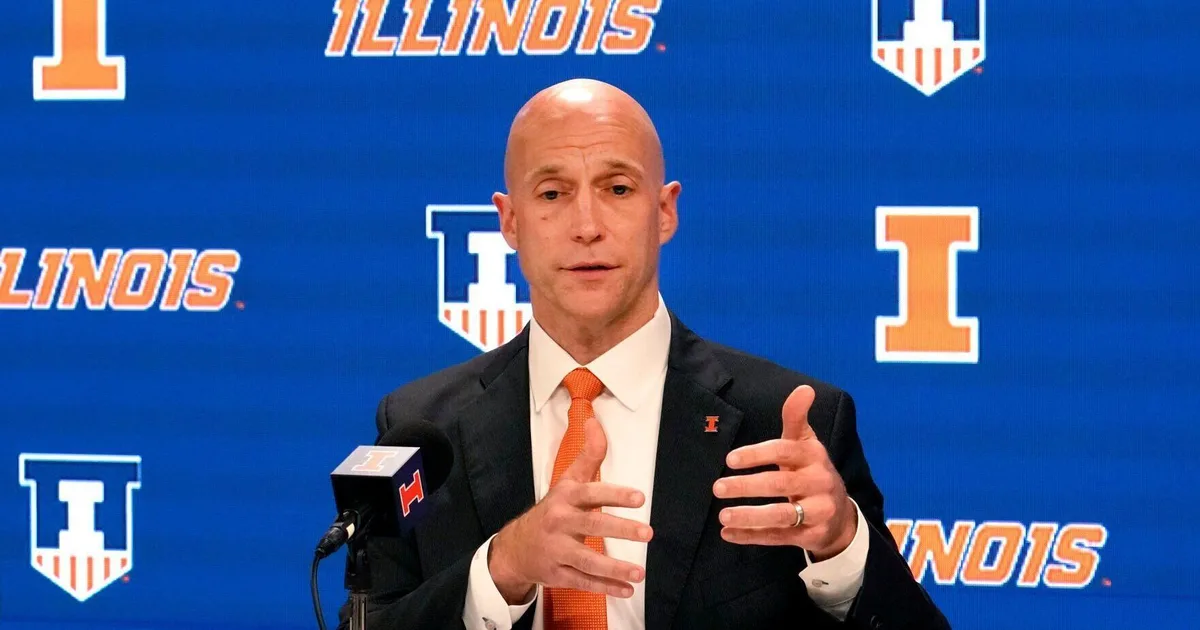
The University of Illinois athletic department has reached a milestone, recording both record-high revenue and record-high expenses in the same fiscal cycle — a financial paradox that has become increasingly common across major college athletic programs in the current era of expanded media rights, NIL compensation, and conference realignment.
While the specific figures were reported behind a paywall by QC Online, the dynamic itself is well-understood by analysts who follow collegiate athletics: revenue growth in Power Five programs tends to be matched, and often outpaced, by spending on coaching salaries, facility upgrades, and the rapidly evolving athlete compensation landscape driven by name, image, and likeness rules.
Read more Singer Apologizes After Lyric Sparks Hometown Theft Wave →
The simultaneity of record revenues and record expenses raises a fundamental question about the sustainability of the college sports financial model. Programs that appear flush with income can still find themselves operating on thin margins — or deficits — if expenditure growth is not carefully managed. For Illinois, as with many of its Big Ten peers, the pressure to remain competitive in one of college football's most lucrative conferences creates a structural incentive to spend aggressively even when budgets are already strained.
The Big Ten's landmark media rights deals, which now bring billions in annual television revenue distributed among member schools, have given programs like Illinois a substantially larger financial base than they had even five years ago. Yet that same windfall has reset expectations for coaching pay, recruiting budgets, and athlete support infrastructure — effectively raising the floor on what it costs to field a competitive program.
What the Illinois numbers ultimately illustrate is a feature, not a bug, of modern college athletics: the revenue ceiling keeps rising, but so does the cost of entry. Stakeholders — from university administrators to donors to student athletes — are navigating a financial environment with few historical precedents and evolving rules. Continue reading at qconline.