IBM CEO Reassures Investors on AI Risk to Software Business
IBM's Arvind Krishna says the company's software unit will recover within a year, even as AI reshapes enterprise computing.
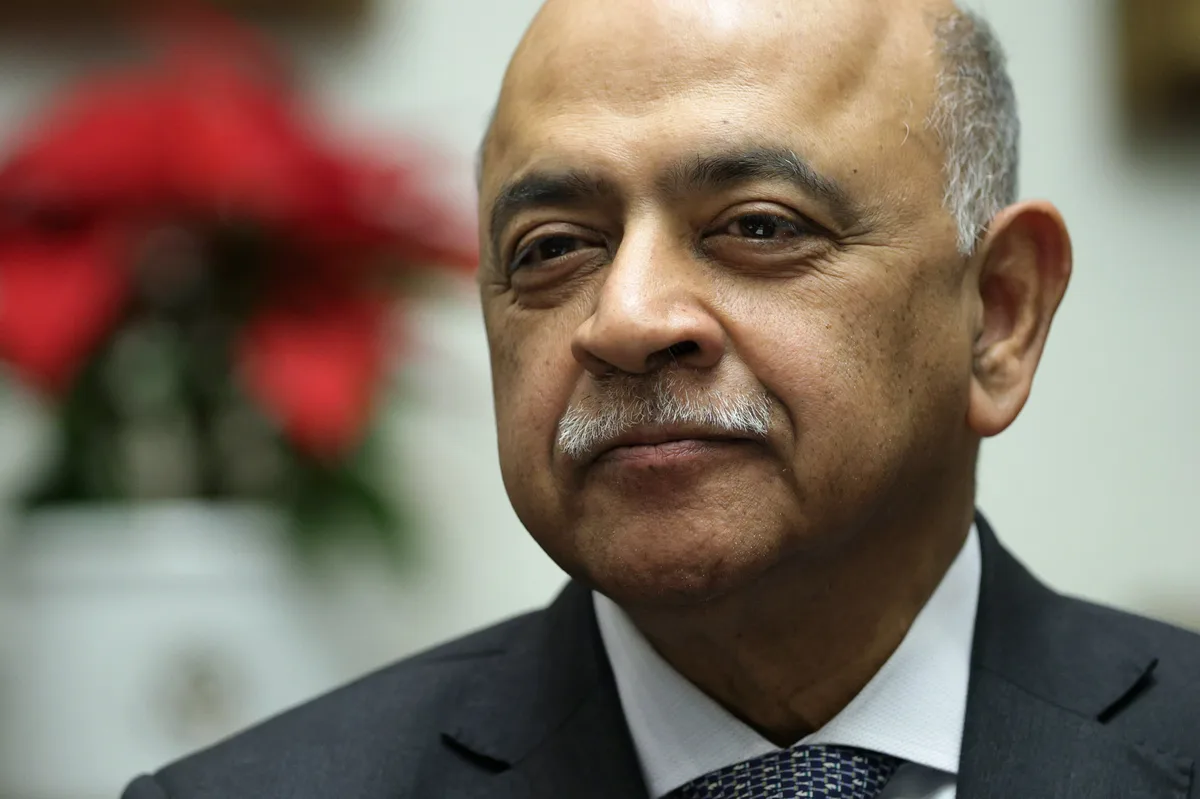
IBM chief executive Arvind Krishna moved to calm investor nerves this week, offering reassurances that artificial intelligence poses no lasting threat to the company's software division. His comments come at a moment when Wall Street is scrutinizing how generative AI could cannibalize legacy enterprise software revenues across the industry — and IBM, with its deep roots in both infrastructure and business software, sits squarely in that crosshairs.
Krishna pointed to accelerating demand for mainframe hardware capacity as a stabilizing force within IBM's broader portfolio. The implicit argument is that a hardware upcycle creates a natural runway for software attach rates to follow — a pattern IBM has leaned on repeatedly through past technology transitions. He expressed confidence that software revenues would "catch back up" to hardware momentum within roughly a year, signaling that any near-term softness is a lag effect rather than structural erosion.
Read more Oracle Lands 10-Year Pentagon Software Deal Worth Up to $7B →
The reassurance carries weight, but it also invites scrutiny. IBM's software unit has historically been a higher-margin anchor for the company's financials, and any prolonged underperformance relative to hardware would compress profitability in ways that matter deeply to shareholders. Krishna's one-year timeline essentially sets a measurable benchmark — one that analysts and investors will now track closely as AI adoption accelerates across enterprise customers.
More broadly, IBM's predicament reflects a tension playing out across legacy technology vendors: AI is simultaneously a growth catalyst and a disruptive force. Companies that can position their existing platforms as AI-ready infrastructure stand to benefit, while those that cannot risk seeing customers bypass traditional software stacks entirely. Krishna's message is that IBM belongs firmly in the former camp — though the market will ultimately render its own verdict.
Continue reading at US Top News and Analysis