Hybrids Surge as U.S. Car Buyers Cool on Full EVs
Hybrid vehicles are capturing growing U.S. market share as electric vehicle demand softens, winning consumers on practicality and price.
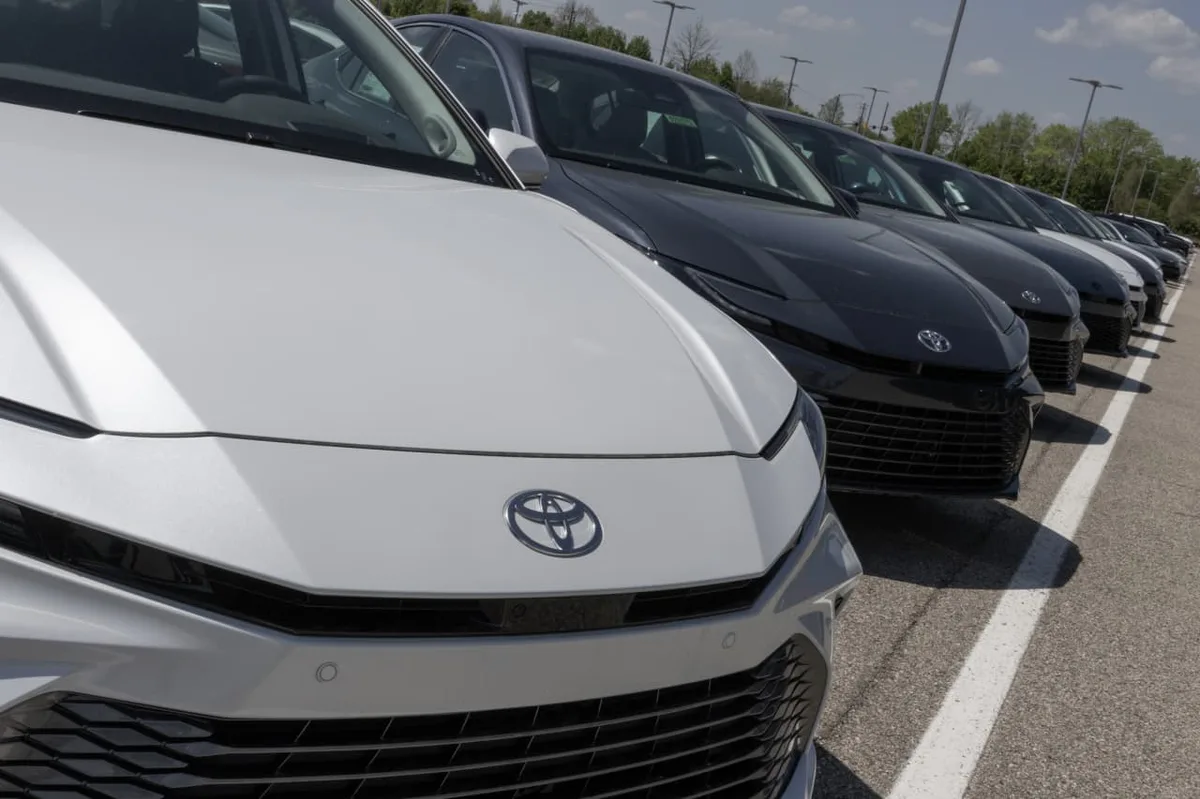
For years, the auto industry treated hybrid vehicles as a transitional technology — a polite stepping stone on the way to a fully electric future. That narrative is unraveling. Hybrids are no longer waiting in the wings; they are commanding the stage, attracting buyers who want better fuel economy without the range anxiety, charging infrastructure headaches, or premium price tags that still define the EV ownership experience.
The shift reflects something deeper than a temporary preference blip. Consumer enthusiasm for battery-electric vehicles, which automakers and policymakers spent the better part of a decade trying to manufacture through incentives and ambitious fleet mandates, appears to be plateauing. Meanwhile, hybrid sales are climbing — a signal that the market is rendering its own verdict on what kind of electrification actually fits American driving habits and household budgets right now.
Read more MercadoLibre Down 35%: Is It a Better Buy Than Big Tech Now? →
What makes hybrids particularly compelling in the current environment is their dual value proposition: they deliver meaningful efficiency gains over conventional internal-combustion engines while sidestepping the infrastructural and financial commitments that still give many buyers pause about going fully electric. That combination of function and affordability is proving difficult for either pure EVs or traditional gas-powered cars to match in the near term.
The implications for automakers are significant. Manufacturers who bet heavily on rapid EV adoption may need to recalibrate their production and investment timelines, while those who maintained robust hybrid lineups — notably Japanese automakers — find themselves well-positioned for this moment. The hybrid's resurrection from bridge technology to destination product represents one of the more consequential market corrections in the modern auto industry.
Continue reading at MarketWatch.com