How Trump's Election Speech Rattled Markets With China Rhetoric
Trump's accusations of Chinese election meddling in 2020 added fresh uncertainty to markets already sensitive to U.S.-China tensions.
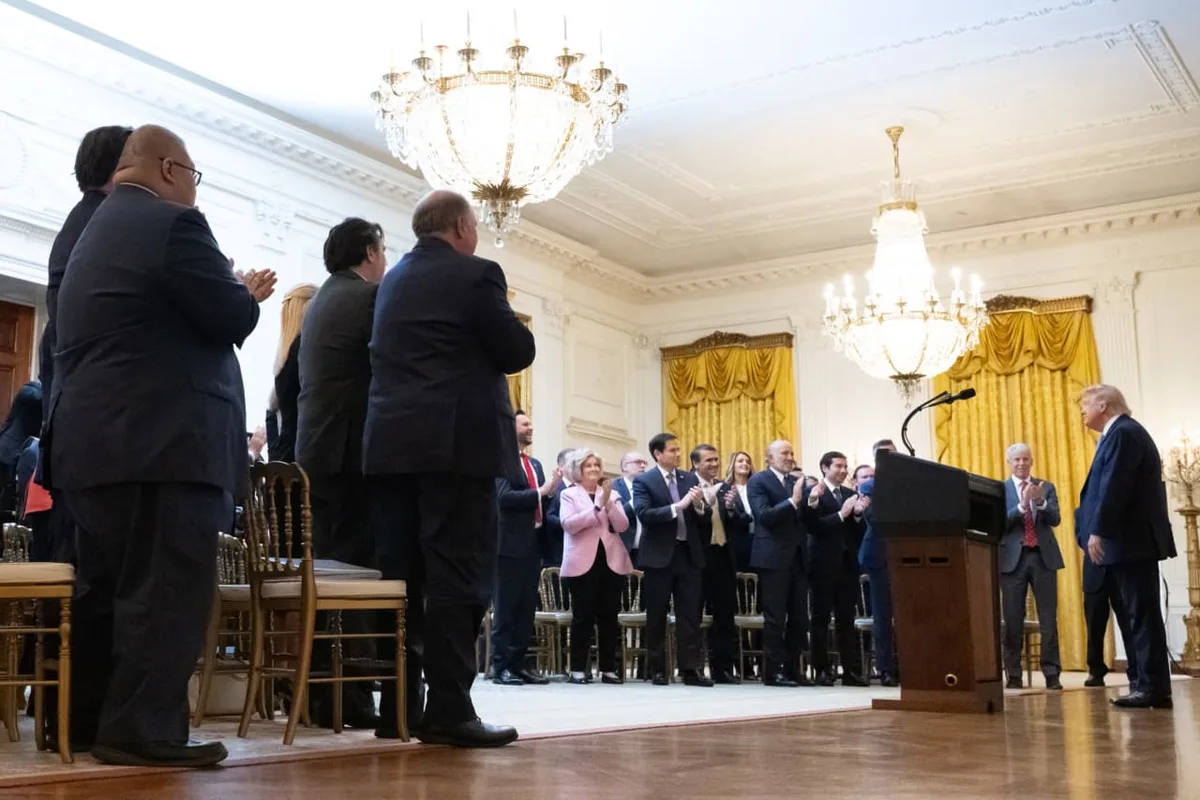
Markets rarely welcome political uncertainty, and President Trump's recent speech — in which he accused China of "sinister election meddling" during the 2020 election — appears to have done little to calm investor nerves. The remarks introduced a new layer of geopolitical friction at a moment when U.S.-China relations remain a central variable in global market calculations.
For traders and portfolio managers, the concern is less about the historical accuracy of the claims and more about what they signal for near-term policy direction. Aggressive rhetoric targeting Beijing has historically preceded tariff escalations, export controls, or diplomatic standoffs — each of which carries tangible economic consequences for multinationals, supply chains, and commodity flows.
Read more Volatility Signal Hints at Magnificent Seven Earnings Breakout →
The timing also matters. Markets have spent much of the recent period attempting to price in the trajectory of U.S.-China trade negotiations, and any speech that reframes that relationship in adversarial, election-interference terms risks resetting those expectations in a more hostile direction. Investors tend to sell first and ask questions later when geopolitical language sharpens unexpectedly.
What distinguishes this episode is the confluence of domestic political messaging and foreign policy signaling. When a sitting president uses a public address to relitigate election-era accusations against a major trading partner, it blurs the line between political theater and actionable policy — a distinction markets must quickly interpret. The analytical challenge for investors is determining whether such statements are rhetorical positioning or a preview of concrete measures to come.
Continue reading at MarketWatch.com