How the Supreme Court Quietly Stepped Back from Financial Chaos
A recent Supreme Court decision prevented what experts warn could have been sweeping disruption to U.S. financial markets and household wealth.
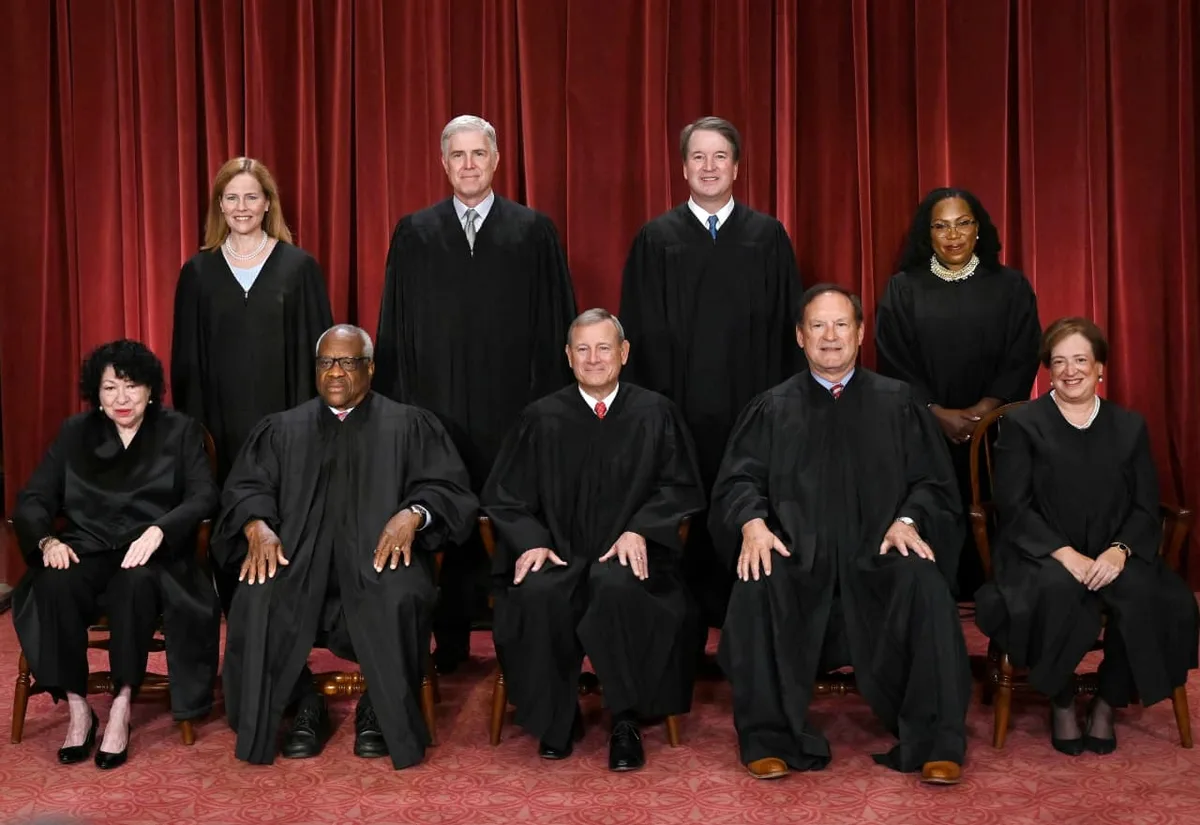
Most Americans scrolling through their financial apps this week have little awareness that the stability of those balances may have hinged, at least in part, on a consequential decision handed down by the Supreme Court. According to MarketWatch, Justices John Roberts and Brett Kavanaugh were central figures in stepping back from a legal outcome that analysts suggest could have rattled the foundations of the U.S. financial system.
The nature of modern financial markets is that systemic risk rarely announces itself with fanfare. Crises tend to materialize quietly — in regulatory frameworks, court rulings, and administrative decisions that most people never read. When those safeguards hold, there is no headline, no dramatic rescue story, only the unremarkable continuity of a system that kept functioning. That is precisely what makes this moment worth examining: the near-miss is invisible to most, but the consequences of a different outcome would have been anything but.
Read more DCC Plc Draws Regulatory Disclosure Filing Under Form 8.3 →
What the MarketWatch analysis underscores is a broader truth about how financial stability is maintained in the United States. It is not simply a product of market forces or Federal Reserve policy, but also of legal architecture — the courts, regulatory agencies, and constitutional interpretations that define what government can and cannot do in moments of economic stress. When that architecture is tested, the identities of the individuals doing the deciding matter enormously.
Roberts and Kavanaugh, by siding in a way that preserved existing financial guardrails, effectively prevented a chain of uncertainty that could have cascaded into real economic pain for ordinary households — higher borrowing costs, destabilized pension funds, or disruptions to the credit markets that underpin everything from car loans to mortgages. The specifics of the legal question may be arcane, but the downstream stakes are entirely concrete for anyone with a savings account or a retirement portfolio.
The episode is a reminder that financial security in America is more fragile, and more dependent on institutions, than most people appreciate during periods of calm. Understanding where those vulnerabilities lie — and how close they sometimes come to fracturing — is essential context for any serious conversation about economic policy going forward. Continue reading at MarketWatch.com