How TE Connectivity Bets on AI, EVs, and Automation Growth
TE Connectivity is positioning its connector technology as critical infrastructure for three of the decade's biggest industrial trends.
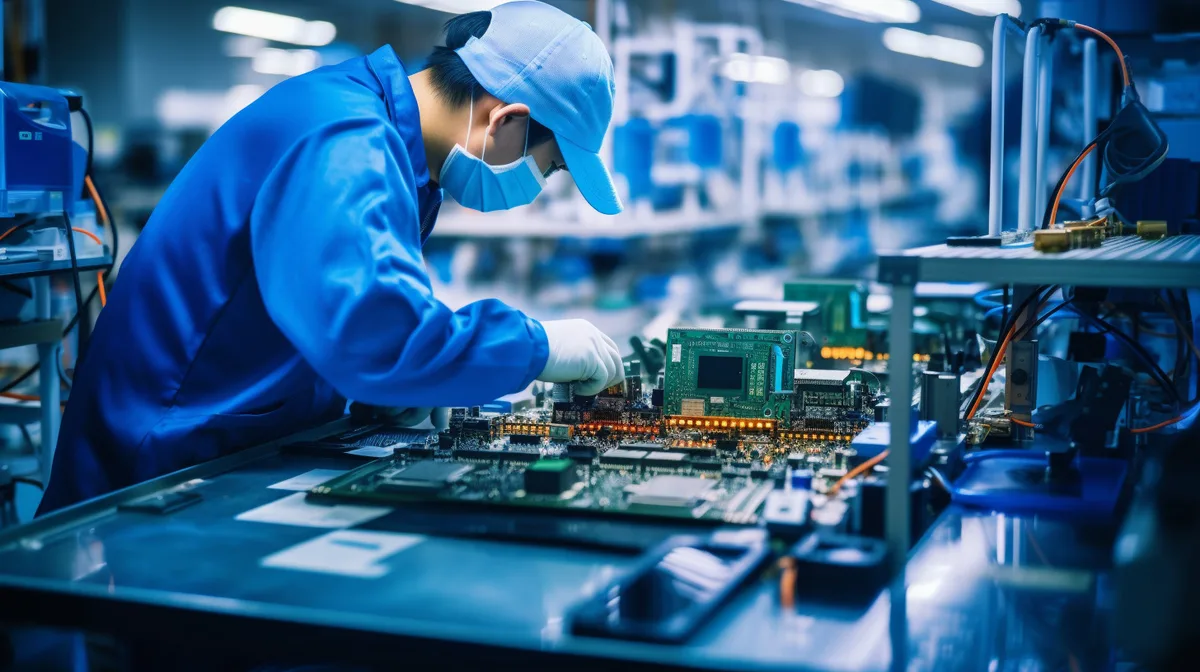
TE Connectivity, the Swiss-domiciled but globally operating industrial components maker, has built a business that sits quietly at the intersection of three of the most capital-intensive transformations in modern industry: artificial intelligence infrastructure, electric vehicle manufacturing, and factory automation. While the company rarely commands the same headlines as the chipmakers or EV brands it supplies, its connectors and sensors are embedded in the hardware that makes those technologies function — a position that carries its own durable competitive logic.
The connector market may sound unglamorous, but the economics are compelling. As data centers scale to meet AI workloads, the density and thermal demands on physical interconnects increase sharply. TE Connectivity's components handle signal integrity and power delivery in environments where failure is not an option, giving the company pricing leverage that commodity suppliers rarely enjoy. The same dynamic plays out in electric vehicles, where high-voltage connectors must meet strict safety and durability standards across temperature extremes and vibration cycles that would defeat lesser components.
Read more Can a $1,000 Stock Investment Really Grow 100x in a Decade? →
Factory automation adds a third growth vector. As manufacturers in North America, Europe, and Asia invest in reshoring and modernizing production lines, the sensor and connectivity infrastructure underpinning robotics and programmable logic controllers becomes a recurring spend category rather than a one-time capital outlay. TE Connectivity's breadth across industrial, automotive, and communications end markets means it captures demand from multiple budget cycles simultaneously, smoothing the revenue volatility that plagues more concentrated suppliers.
What makes this growth story analytically interesting is less any single end market and more the compounding effect of being a necessary input across all three. Investors evaluating industrial technology often focus on software or semiconductor layers; TE Connectivity is a reminder that the physical layer — the connectors, housings, and sensors that tie systems together — commands real margins and real moats when specifications are demanding enough. The company's ability to articulate this narrative to investors will likely determine whether its valuation reflects that strategic positioning.
Continue reading at Yahoo Finance.