How Dan Chung Rebuilt Fred Alger Management After 9/11 Losses
Dan Chung survived the 9/11 attacks by chance and led the recovery of Fred Alger Management after 35 employees perished.
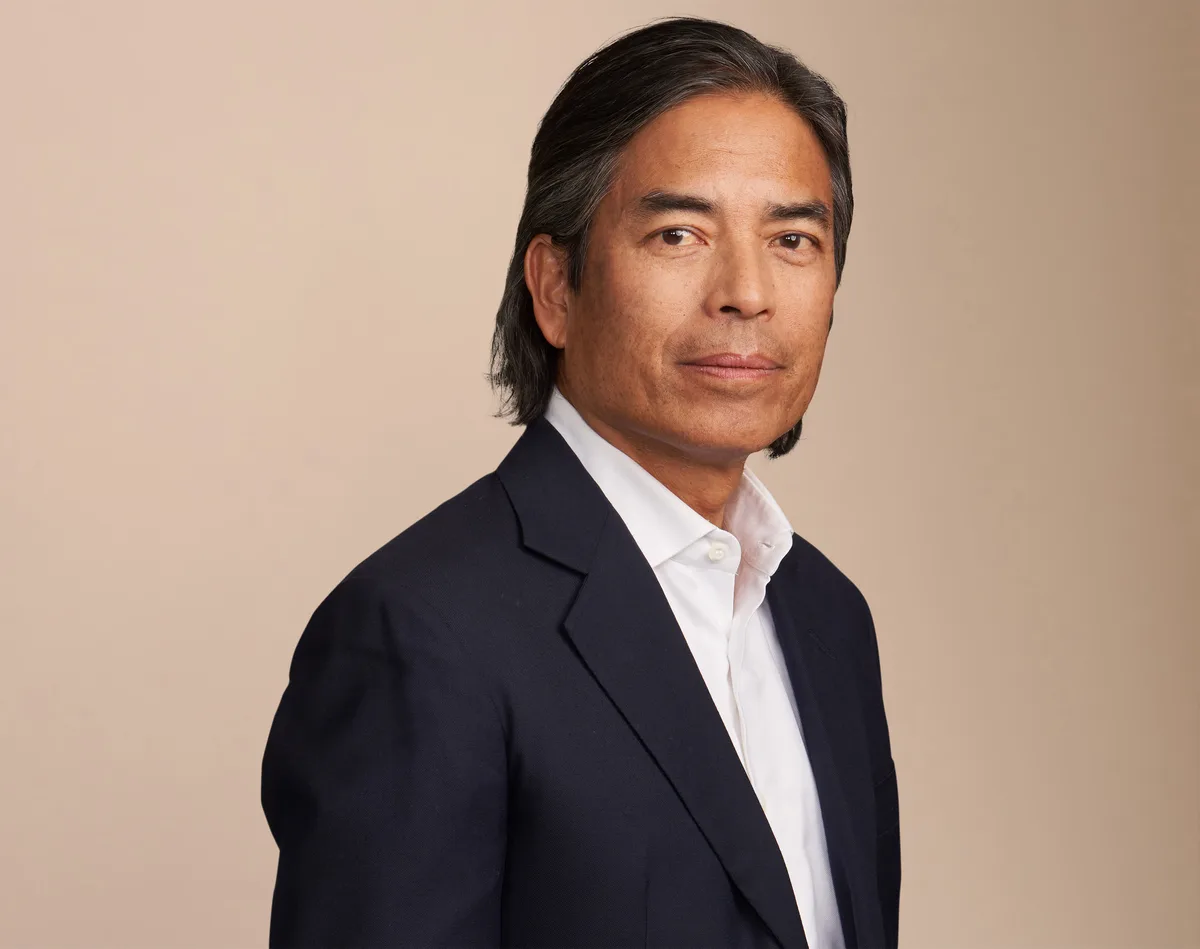
Few corporate rebuilding stories carry the weight of what Dan Chung faced in the aftermath of September 11, 2001. As CEO and chief investment officer of Fred Alger Management, Chung survived the attacks only by chance — a circumstance that placed him at the center of one of Wall Street's most somber reconstruction efforts after 35 of the firm's staffers were killed in the World Trade Center collapse.
The scale of that loss was staggering for any organization, but particularly for an investment boutique where institutional knowledge, client relationships, and portfolio expertise are embodied in individuals rather than systems. Rebuilding Alger wasn't simply a matter of refilling seats — it required reconstituting a culture, restoring investor confidence, and pressing forward in markets that were themselves in turmoil following the attacks.
Read more Vortex Energy Closes Meadows Project Deal in Saskatchewan →
That Chung succeeded is a testament to both personal resilience and professional discipline. In the years since, Alger Management has remained a relevant force in growth-oriented equity investing, a style that demands conviction and the ability to identify durable winners before the broader market recognizes them. Chung's long tenure at the helm suggests he has managed to carry forward the firm's analytical DNA even after its most devastating rupture.
The story also offers a broader lens on how financial institutions absorb catastrophic human loss while maintaining fiduciary obligations to clients. Unlike most business disruptions, 9/11 gave firms like Alger no transition period — the work of grief and reconstruction had to happen simultaneously, under market pressure and public scrutiny.
Decades later, Chung continues to lead the firm and pursue the growth investment philosophy that has defined Alger since its founding — a reminder that institutional endurance is as much about leadership character as it is about capital. Continue reading at US Top News and Analysis.