How 24/7 Crypto Trading Is Reshaping Wall Street Weekends
Round-the-clock crypto markets are forcing traditional finance professionals to rethink their off-hours routines and risk management habits.
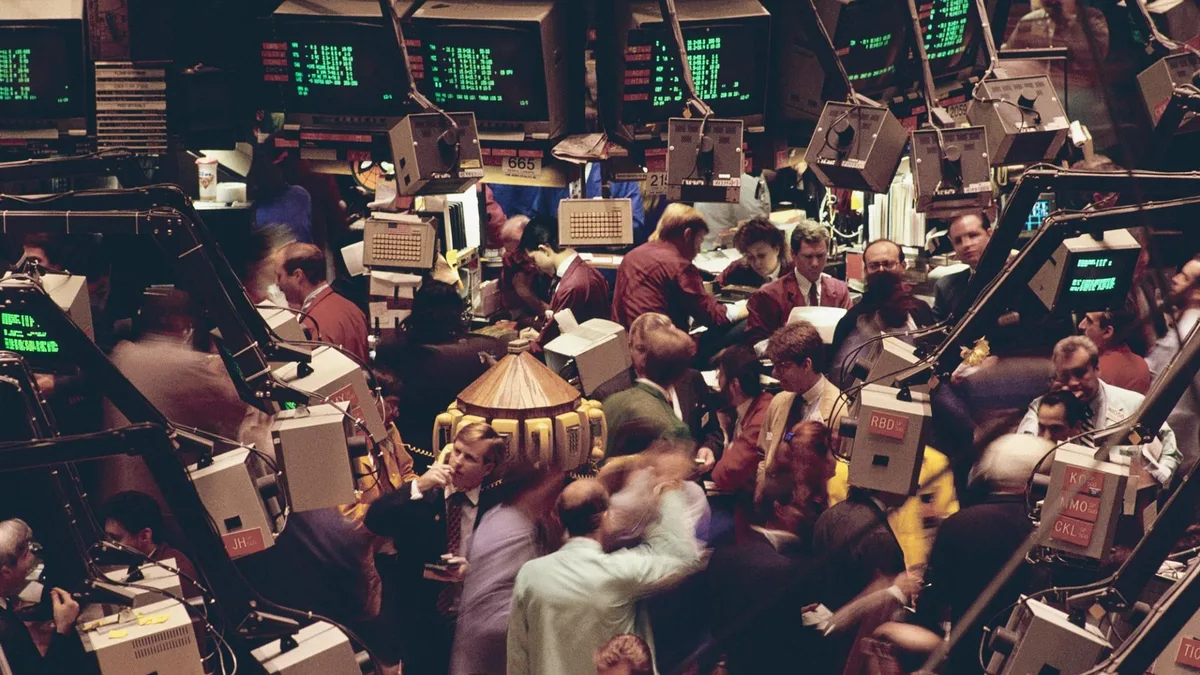
For decades, Wall Street operated on a comfortably predictable rhythm: markets opened Monday morning and closed Friday afternoon, giving traders and portfolio managers a genuine two-day reprieve to decompress, recharge, and largely ignore their screens. Cryptocurrency markets, which never close, are quietly dismantling that arrangement — and the professionals caught between both worlds are feeling the pressure most acutely.
The collision between traditional finance culture and the always-on nature of digital assets creates a structural tension that goes beyond mere inconvenience. When Bitcoin or Ethereum makes a significant move on a Saturday night, traders with exposure to crypto-correlated positions cannot simply wait until Monday to respond. That reality is rewriting informal norms around availability, mental bandwidth, and the boundaries between professional and personal time.
Read more Strategy Raises $544M in Stock Sales, Buys Back Preferred Shares →
From a risk-management standpoint, the implications are significant. Legacy financial institutions have compliance frameworks, risk desks, and trading protocols built around defined market hours. Integrating assets that trade continuously into those systems requires not just technological adaptation but a fundamental rethinking of staffing models, on-call responsibilities, and even employment contracts. Smaller crypto-native desks already operate with rotating weekend coverage as a baseline expectation rather than an exception.
The cultural shift may ultimately prove as consequential as the operational one. Wall Street has long fetishized the grueling work schedule as a badge of commitment, but weekends still functioned as a psychological reset. Crypto removes that reset button entirely, raising real questions about sustainable workloads in an industry already notorious for burnout. How firms balance competitive positioning in digital assets against employee well-being may quietly become one of the defining talent questions of the next decade in finance.
Continue reading at CoinDesk.