HDV vs. FDVV: Comparing Two High-Dividend ETFs for Income Investors
iShares' HDV and Fidelity's FDVV both target high-dividend stocks, but their construction and costs differ in ways that matter to income-focused investors.
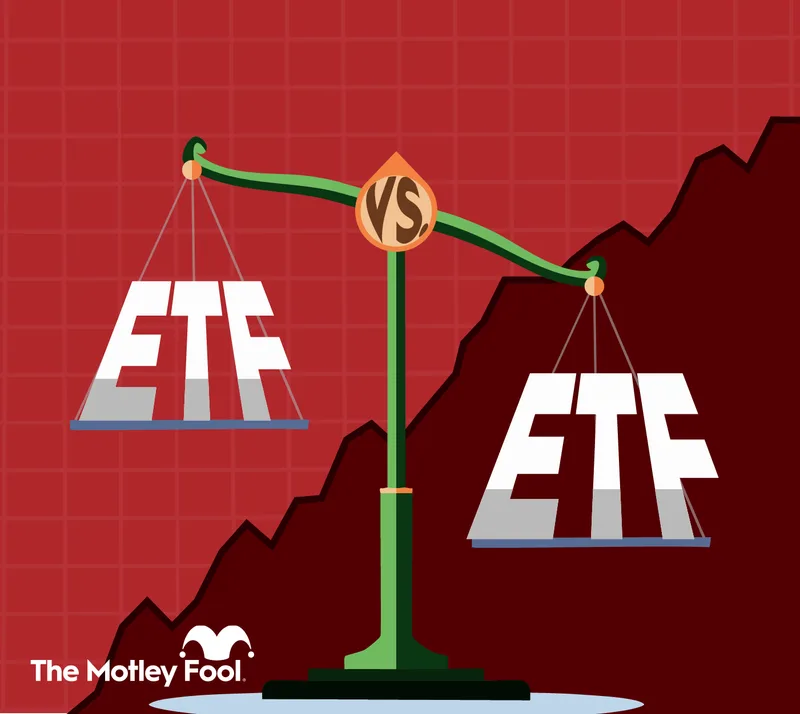
For income-seeking investors navigating a crowded field of dividend-focused exchange-traded funds, two names consistently surface: iShares Core High Dividend ETF (HDV) from BlackRock and Fidelity High Dividend ETF (FDVV) from Fidelity Investments. While both funds pursue similar objectives — delivering above-average dividend yield through a diversified basket of U.S. equities — the mechanics underneath each product diverge in meaningful ways.
HDV, managed by BlackRock's iShares division, has long been a staple for conservative income investors. It screens for dividend sustainability by emphasizing companies with strong free cash flow and competitive advantages, which tends to concentrate the portfolio in defensive sectors such as energy, healthcare, and consumer staples. This tilt can provide ballast during market downturns, though it may lag in broad-market rallies driven by growth stocks.
Read more High Mortgage Rates Are Trapping Homeowners In Place and Home →
Fidelity's FDVV takes a somewhat broader approach, blending high current yield with dividend growth potential. That dual mandate can result in a more diversified sector exposure, potentially capturing upside from companies expanding their payouts over time. For investors who want current income without entirely sacrificing participation in dividend growers, FDVV's methodology offers a middle path worth examining.
Beyond strategy, cost remains a pivotal differentiator. Fidelity has aggressively priced FDVV to compete with iShares, and the expense ratio gap — while modest in absolute terms — compounds meaningfully over long holding periods. Investors with a multi-decade time horizon should weigh fee drag alongside yield and sector exposure when making their selection. Neither fund is universally superior; the better choice ultimately depends on whether a holder prioritizes yield stability, dividend growth, or simply the lowest possible cost.
As interest rates remain elevated and equity valuations stay stretched in many corners of the market, high-dividend ETFs like HDV and FDVV have attracted renewed attention as alternatives to fixed income and as hedges against valuation risk. Understanding what each fund actually owns — and how it selects those holdings — is the essential due-diligence step before committing capital. Continue reading at Yahoo Finance.