Global Stock Markets Face Even Greater AI Concentration Risk
AI-driven stock concentration isn't just a U.S. problem — international markets may carry even heavier exposure to the sector.
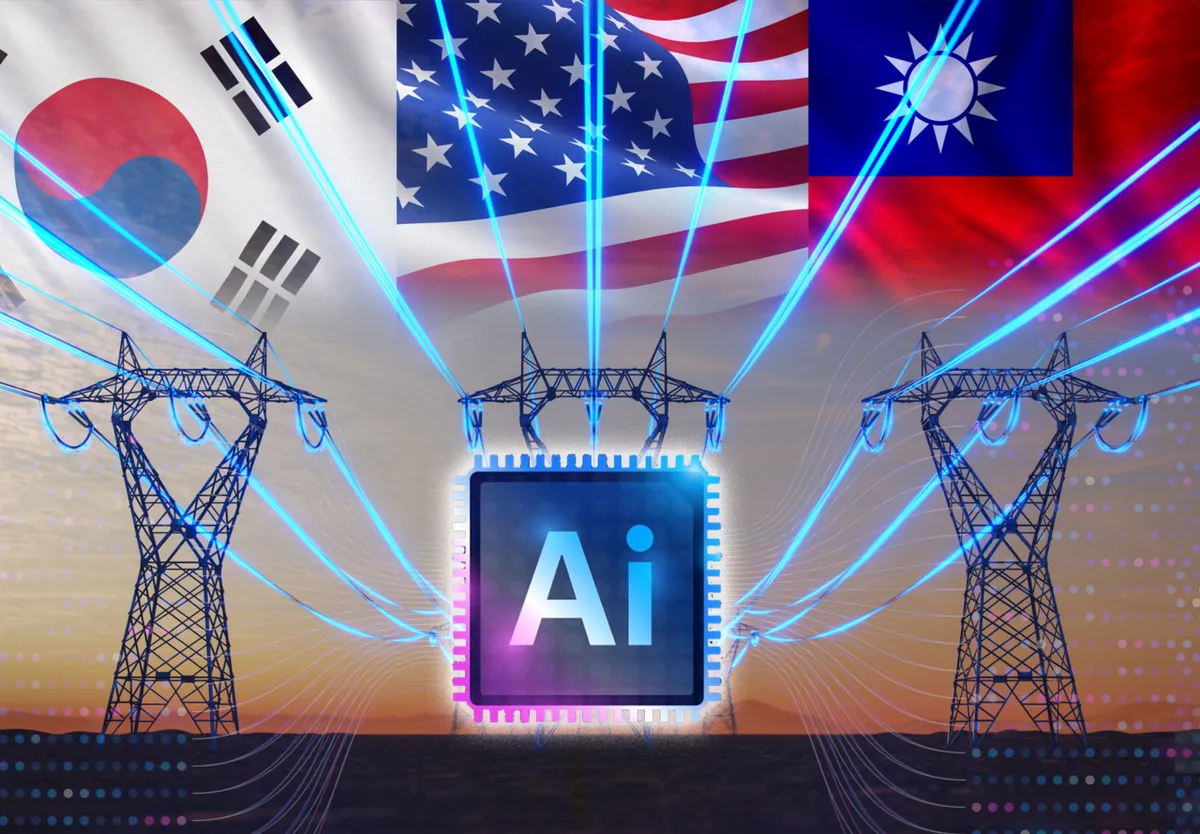
Investors fretting over the outsized influence of artificial intelligence stocks on U.S. equity benchmarks may be underestimating a parallel — and potentially more acute — problem unfolding in markets abroad. Stock-market concentration, long flagged as a structural vulnerability in American indexes dominated by a handful of mega-cap technology names, is not a phenomenon neatly contained within U.S. borders.
The implications are significant for globally diversified portfolios. Many investors have historically turned to international equities as a hedge against the concentrated bets embedded in U.S. indexes, operating under the assumption that broader geographic exposure translates into broader sector exposure. That assumption deserves scrutiny. If foreign markets carry even heavier AI-linked concentration than their American counterparts, the diversification benefit investors expect may be considerably thinner than advertised.
Read more Ex-Tether Investment Chief Seeks to Sell Stake in Stablecoin Firm →
This dynamic reflects a broader structural shift in how capital has flowed toward AI-adjacent companies worldwide. The technology buildout underpinning artificial intelligence — semiconductors, data infrastructure, cloud platforms — is a global enterprise, and the companies positioned at its center command outsized index weight in multiple markets simultaneously. A downturn in AI sentiment, or a repricing of AI growth expectations, could therefore transmit shocks across geographies in a more synchronized way than historical correlations might suggest.
For portfolio managers and individual investors alike, the takeaway is one of recalibration rather than panic. Understanding exactly where concentration risk lives — and recognizing that "international diversification" does not automatically mean "AI diversification" — is an increasingly essential part of modern risk management. The question is no longer whether AI dominates your domestic holdings, but whether it quietly dominates your entire portfolio.
Continue reading at MarketWatch.com