GameStop Eyes eBay Collaboration Short of Full Takeover
Ryan Cohen's GameStop may pursue a partnership with eBay rather than an outright merger, raising fresh questions about strategic fit.
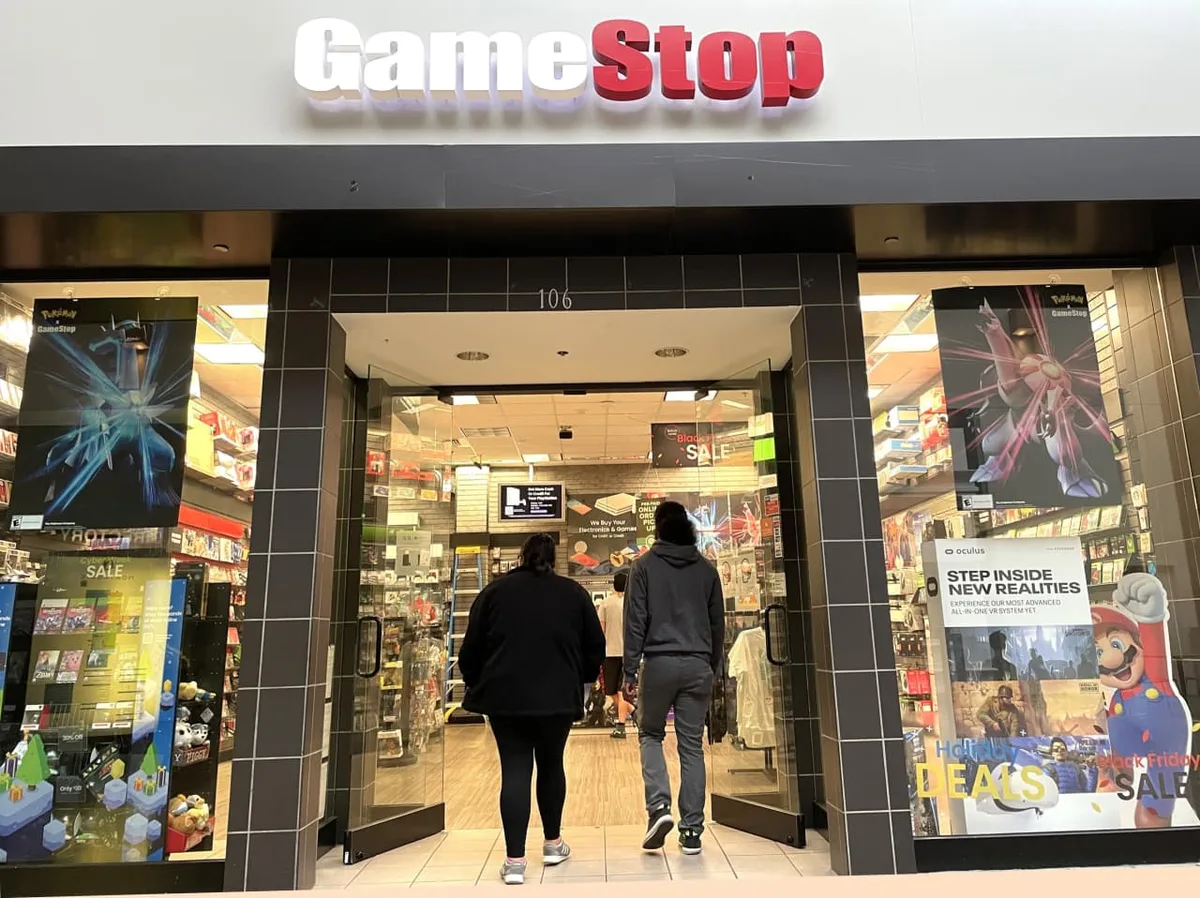
The latest chapter in the Ryan Cohen saga suggests GameStop may be recalibrating its ambitions toward eBay, pivoting from the prospect of an outright acquisition to some form of operational collaboration. According to Bloomberg, GameStop is considering proposing a partnership arrangement rather than a full merger — a significant shift in what had been framed as a potential takeover play. The distinction matters enormously: a collaboration carries far less financial risk but also yields far less strategic control.
For Cohen, the architect of GameStop's unlikely second act, the move reflects a pattern of aggressive signaling followed by tactical adjustment. Whether a partnership rather than a merger represents pragmatism or retreat depends heavily on what structure such a deal would actually take. The details, which remain unspecified, will determine whether this is a meaningful strategic alliance or something closer to a headline-generating gesture.
Read more Dow Jones Movers: Top Gainers and Losers One Hour Before Close →
Skepticism is already emerging from the analyst community. Several market observers question whether eBay would derive meaningful benefit from any collaboration with GameStop, whose core retail business has been in long-term structural decline even as its balance sheet has improved under Cohen's stewardship. eBay, for its part, operates a mature but relatively stable e-commerce marketplace that serves a very different customer base and business model than GameStop's brick-and-mortar legacy.
The broader question hanging over this episode is what Cohen's endgame actually looks like. GameStop has accumulated significant cash reserves, and Cohen has demonstrated a willingness to pursue unconventional corporate moves that prioritize market attention as much as operational logic. Whether a GameStop-eBay partnership could create genuine value for shareholders of either company — or whether it represents another chapter in a saga driven more by narrative than fundamentals — remains an open and genuinely important question for investors watching both stocks.
Continue reading at MarketWatch.com