Ford CEO Pushes for Trade Equity as USMCA Talks Resume
Ford's CEO is calling for a level playing field with Toyota and GM on imports as the USMCA trade agreement heads back to the negotiating table.
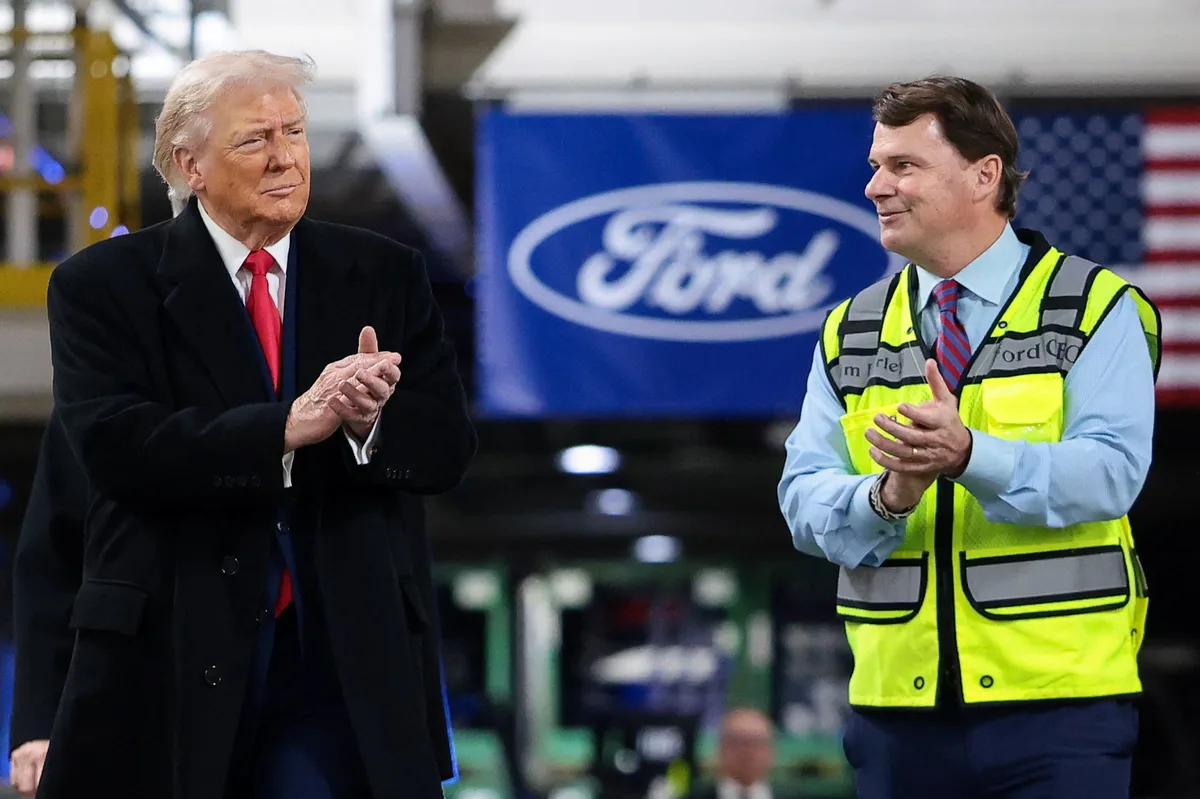
As the United States-Mexico-Canada Agreement enters a new round of negotiations, Ford's chief executive is pressing for competitive parity with rivals whose import structures differ significantly from Ford's heavily domestic manufacturing footprint. The push reflects a broader tension in the auto industry between companies that have invested deeply in American assembly capacity and those that rely more substantially on vehicles produced abroad.
Ford says it assembled more than 2 million vehicles on U.S. soil last year, a figure the company claims is higher than any other automaker, including 311,000 units destined for export markets. That scale of domestic production gives Ford a particular stake in how USMCA rules are structured — trade terms that favor imported vehicles could effectively penalize companies that have made the largest bets on American manufacturing.
Read more OpenAI Reportedly in Talks to Offer U.S. Government a 5% Stake →
The competitive dynamic with Toyota and General Motors is telling. Both companies operate significant import pipelines alongside their U.S. plants, creating an asymmetry that Ford's leadership argues distorts the competitive landscape. If tariff structures or rules-of-origin thresholds under a renegotiated USMCA tilt toward accommodating imports, Ford's domestic investment advantage could be undercut rather than rewarded.
The timing of the USMCA review matters considerably. Trade policy rarely operates in isolation, and with broader tariff debates reshaping global supply chains, automakers are scrambling to position themselves advantageously before new rules are locked in. For Ford, the argument is straightforward: a company that builds more cars in America than anyone else should not be competitively disadvantaged by a trade framework that makes it easier or cheaper to import finished vehicles.
The outcome of these negotiations will carry real consequences for American auto workers and the broader manufacturing economy. Continue reading at US Top News and Analysis.