Ford Bets on Vehicle Customization to Tap $53B Aftermarket
Ford is expanding its accessories and parts business to capture a slice of the $53 billion U.S. automotive aftermarket and strengthen profit margins.
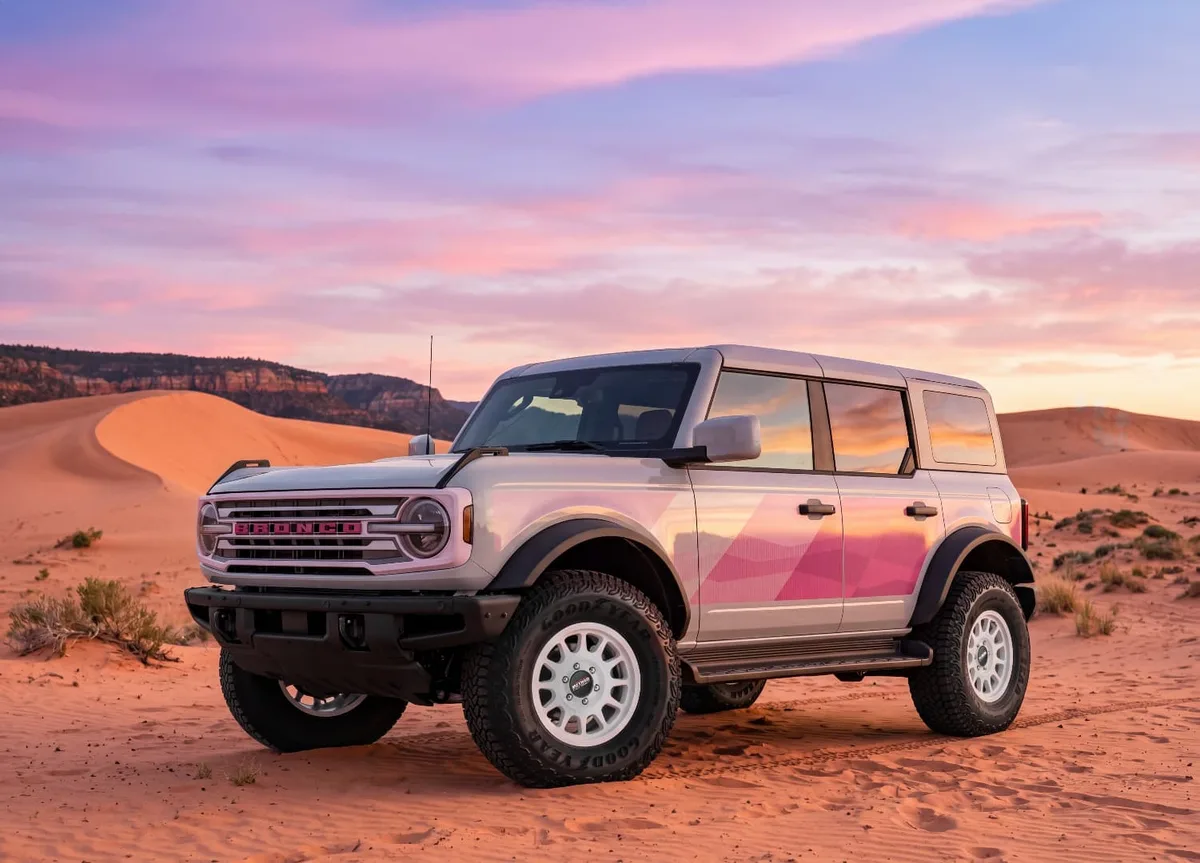
Ford Motor Company is making a calculated push into the vehicle customization space, aiming to grow its accessories and parts division as a meaningful profit center rather than an afterthought. The strategy reflects a broader recognition within the auto industry that the relationship between an automaker and its customer shouldn't end at the dealership — it should deepen over time, generating recurring revenue that traditional vehicle sales simply cannot provide.
The company has drawn inspiration from consumer culture, reportedly eyeing what it describes as 'Nike shoe drop' moments — limited, high-demand releases of vehicle accessories that generate buzz, urgency, and loyalty. It's a striking framing, one that repositions Ford not merely as a manufacturer of transportation but as a lifestyle brand capable of sustaining customer engagement long after the initial purchase.
Read more Most US Firms Expect EU Relations to Stay Stable or Improve →
The opportunity Ford is chasing is substantial. The U.S. automotive aftermarket industry is valued at $53 billion, a market historically dominated by independent retailers, specialty shops, and third-party parts suppliers. For an OEM like Ford to capture a larger share, it would need to compete on authenticity, fit, and brand cachet — areas where factory-backed accessories have a natural but underexploited advantage.
The move also carries strategic logic in the context of Ford's ongoing effort to improve its profit margins. While the company's commercial vehicle and truck segments have been strong, manufacturing costs and EV transition expenses have pressured the bottom line. Building out a higher-margin accessories and customization business offers a way to diversify revenue streams without adding assembly-line complexity. Whether Ford can execute the kind of cultural marketing that makes a shoe drop feel like an event — and translate that energy to truck bed liners and grille packages — remains the central test of this ambition.
Continue reading at US Top News and Analysis