Fed Taps Former Walmart CEO for Real-Time Economic Data Push
The Federal Reserve has enlisted a former Walmart chief executive to help build a task force focused on gathering live data on spending, inflation, and growth.
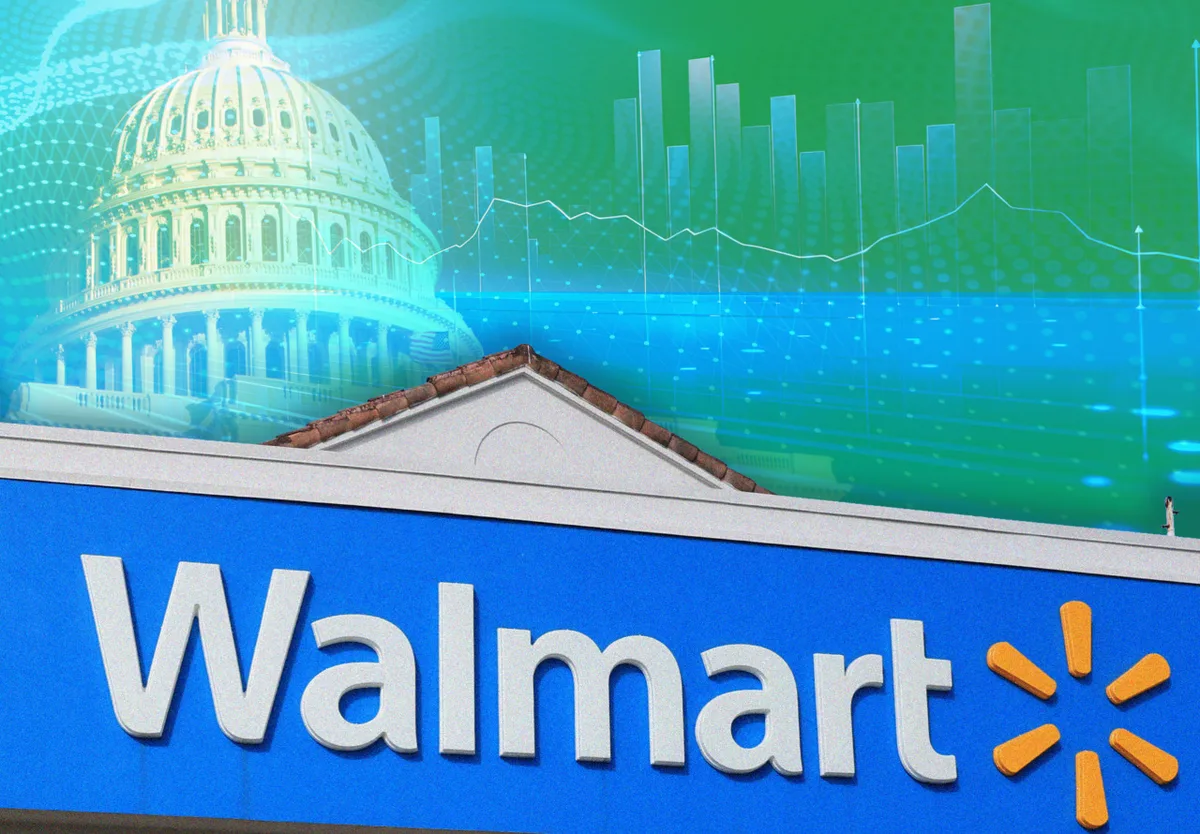
The Federal Reserve is making an unusual move to sharpen its economic visibility, naming a former Walmart chief executive to a newly formed task force charged with developing real-time data on consumer spending, inflation, and economic growth. The appointment signals that the central bank is actively seeking private-sector expertise to supplement the government's often-lagged statistical machinery.
For decades, the Fed has relied heavily on official data releases — think monthly CPI reports or quarterly GDP estimates — that arrive weeks or months after the economic activity they measure. That delay creates a persistent blind spot for policymakers who must set interest rates based on where the economy is heading, not where it has been. Contemporaneous data drawn from sources like large retailers could dramatically compress that information gap.
Read more US Jobless Claims Dip to 215K, Beating Forecasts Again →
Walmart's relevance here is hard to overstate. As the largest retailer in the United States by revenue, the company processes transactions across virtually every income bracket and geography, giving it a near-complete view of household consumption in close to real time. A former CEO would carry both the institutional knowledge of that data infrastructure and the credibility to translate it into policy-relevant insight.
The initiative reflects a broader tension the Fed has navigated in recent years: conventional economic indicators have increasingly failed to capture the speed at which modern shocks — supply-chain disruptions, pandemic-era spending swings, rapid inflation cycles — move through the economy. Policymakers who waited on traditional data in 2021 and 2022 found themselves persistently behind the curve on inflation. Building faster feedback loops is now a strategic priority.
Whether a task force can meaningfully institutionalize private-sector data into Fed decision-making remains to be seen. Questions of data standardization, privacy, and the sheer complexity of integrating commercial transaction flows into macroeconomic models present real hurdles. But the appointment alone marks a notable philosophical shift — one that treats retail giants not just as subjects of economic policy, but as partners in shaping it. Continue reading at MarketWatch.com