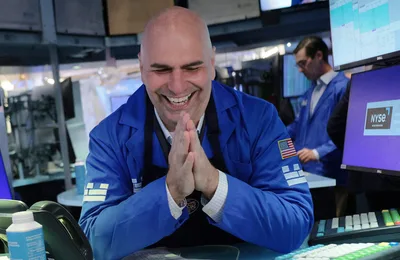
Fed Rate Decision Rattles Wall Street Amid Inflation Anxiety
The Federal Reserve's latest interest-rate move has unsettled markets already on edge over persistent inflation pressures.
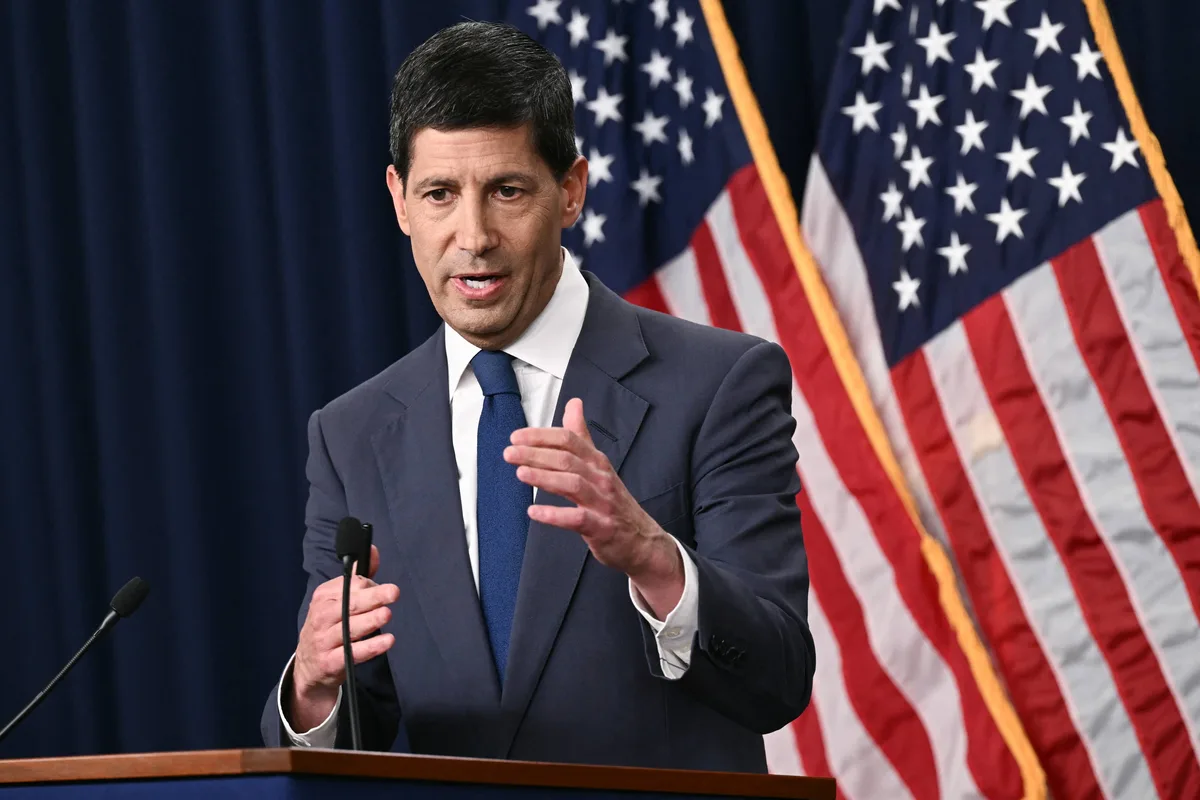
The Federal Reserve's most recent interest-rate decision has sent a jolt through financial markets, amplifying concerns among investors who had hoped for clearer signals that inflation was firmly under control. Wall Street's reaction underscores just how sensitively calibrated market sentiment has become to every nuance of Fed communication, whether in the formal policy statement or in the chair's post-meeting remarks.
At the heart of the anxiety is a fundamental tension that has defined this economic cycle: the Fed is trying to slow price growth without triggering a recession, a balancing act that grows more precarious the longer elevated rates remain in place. Investors are acutely aware that the lag effects of monetary policy mean today's rate environment will continue to ripple through corporate earnings, consumer credit, and housing affordability well into the coming quarters.
Read more Chip Stocks Rally Sharply on Strong Lam, Microsoft, Arm Earnings →
The market turbulence following the decision reflects more than simple disappointment over a rate call — it signals a broader reassessment of when and how aggressively the Fed might pivot toward easing. Traders and analysts have repeatedly misjudged the timeline for rate cuts this cycle, and each recalibration carries its own cost in volatility and portfolio repositioning.
What makes the current moment particularly consequential is the degree to which inflation expectations themselves have become a policy variable. If households and businesses begin to doubt the Fed's resolve, price-setting behavior can shift in ways that make the central bank's job exponentially harder. Fed officials are keenly aware of this dynamic, which helps explain why they tend to err on the side of caution even when the data offer some encouragement.
For everyday Americans, the practical stakes are straightforward: higher rates for longer mean costlier mortgages, elevated credit card burdens, and tighter conditions for small business lending. The distance between a Wall Street rate debate and a Main Street budget crunch is shorter than it might appear. Continue reading at Yahoo Finance.