Fed May Reverse 2025 Rate Cuts or Skip Hikes Entirely, RBC Warns
RBC Wealth Management cautions that the Fed's 2025 'insurance cuts' could be fully unwound, or rate hikes may never materialize at all.
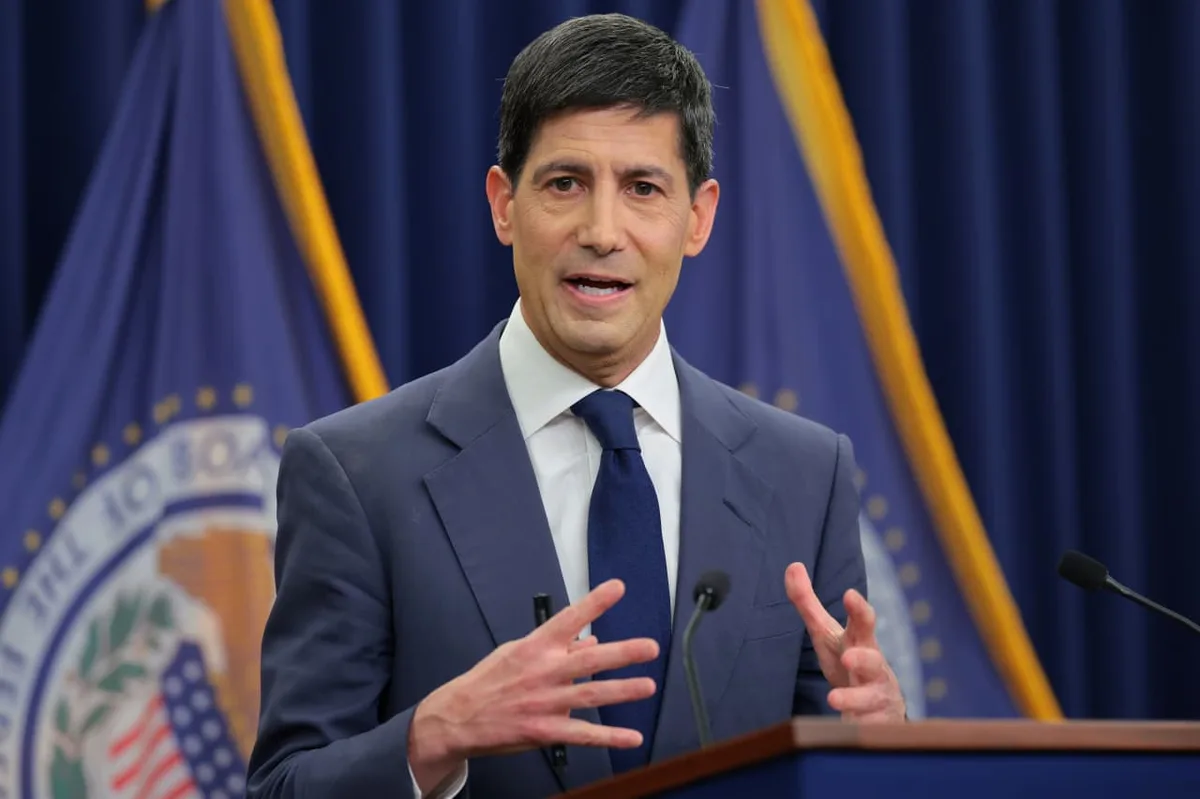
The Federal Reserve's carefully calibrated interest-rate strategy for 2025 may be heading toward an uncomfortable crossroads, according to analysts at RBC Wealth Management. The firm is warning investors that the central bank could reverse all of the so-called 'insurance cuts' it deployed to stabilize the economy — or, in an alternate scenario, may forgo any rate increases whatsoever. Either outcome would represent a significant pivot from current market expectations.
The concept of 'insurance cuts' refers to preemptive reductions in borrowing costs that the Fed has used historically to guard against economic slowdowns before they fully materialize. When those cuts achieve their intended purpose — shoring up growth and confidence — the central bank typically faces the question of whether to reclaim that policy space. RBC's caution suggests that reclaiming it may come sooner and more aggressively than many investors are pricing in.
Read more How a $17/Hour Garden Job Restored One Worker's Sense of Purpose →
The warning carries meaningful implications for bond markets, equity valuations, and household borrowing costs. If the Fed moves to unwind its easing posture, mortgage rates, auto loans, and corporate debt costs could climb anew — pressuring consumers and businesses that had begun to benefit from looser financial conditions. Conversely, a scenario in which the Fed holds rates flat indefinitely introduces its own uncertainty, particularly around inflation management.
What RBC's outlook underscores is the inherently reactive nature of Fed policymaking in an environment where economic signals remain mixed. The central bank has repeatedly emphasized data dependence, meaning any sustained uptick in inflation or labor-market strength could accelerate the timeline for reversing recent cuts. Investors would be wise to treat current rate levels as provisional rather than settled.
Continue reading at MarketWatch.com