Exxon CEO Warns Drivers Not to Expect Gas Price Relief Soon
After Exxon doubled its profits, CEO Darren Woods offered a blunt outlook for consumers hoping fuel costs will fall anytime soon.
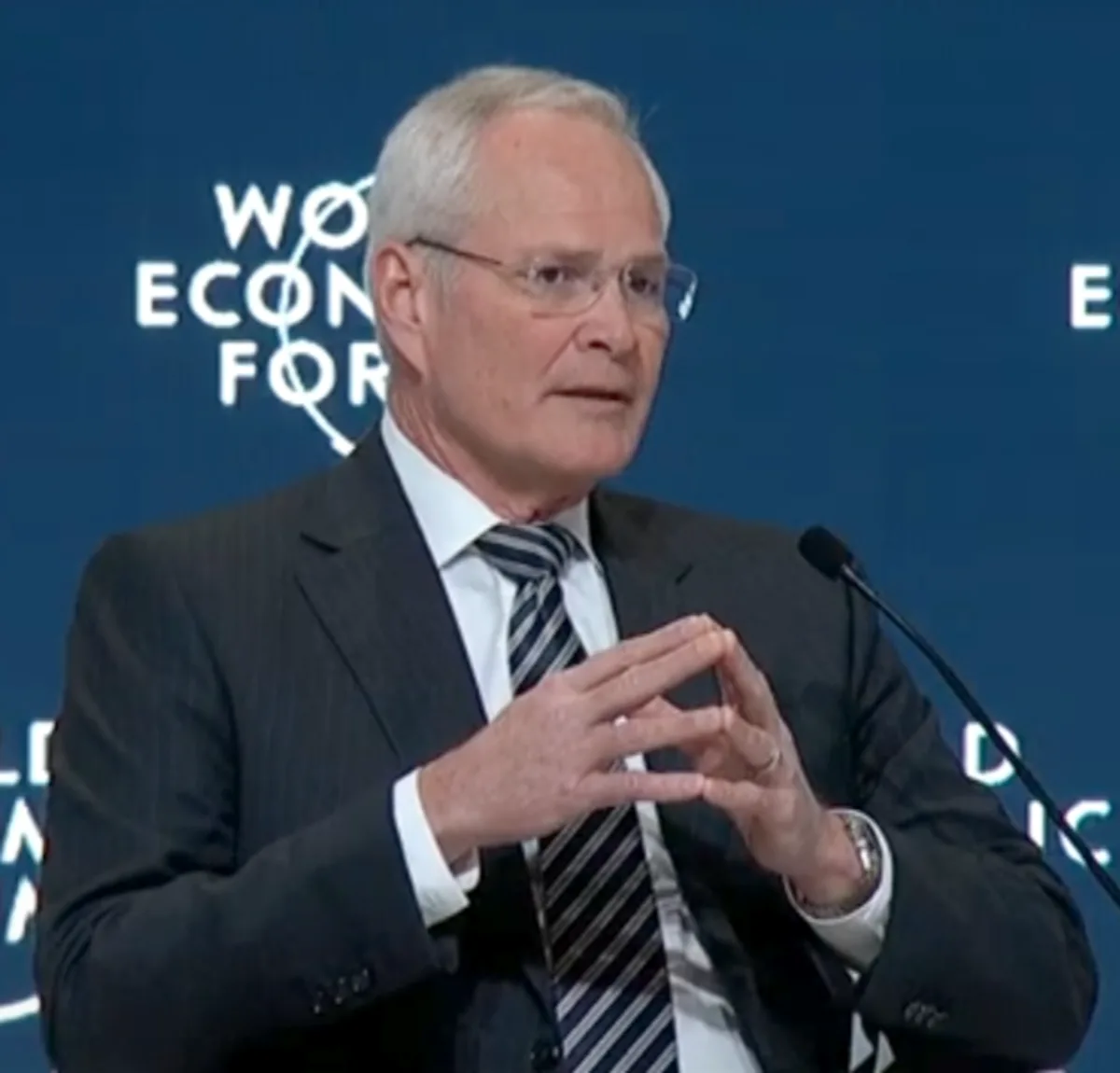
Exxon Mobil's chief executive Darren Woods delivered a sobering message to American drivers hoping for relief at the gas pump: don't count on it. Following a period in which the energy giant reported a dramatic surge in profits, Woods was characteristically candid when asked whether consumers should expect prices to ease, reportedly advising that he "wouldn't hold my breath." The comment lands with particular weight coming from the head of one of the world's most powerful oil companies.
The juxtaposition between soaring corporate earnings and persistently high fuel costs is a tension that has defined the post-pandemic energy landscape. When oil majors report outsized profits while everyday consumers continue to feel squeezed at the pump, the political and economic friction becomes unavoidable. Critics argue that the windfall reflects pricing power and market structure rather than simple supply-and-demand dynamics, while industry defenders contend that capital investment cycles and global crude benchmarks are the real drivers of what Americans pay per gallon.
Read more Berkshire Hathaway Shares Climb to Eight-Month High →
Woods' remarks underscore a broader reality in global energy markets: retail gasoline prices are shaped by crude oil costs, refining capacity, regional taxes, and international supply decisions — factors largely outside any single company's direct control, even Exxon's. OPEC+ production policy, geopolitical disruptions, and seasonal refinery maintenance schedules all feed into the complex pricing equation that ultimately shows up on roadside signs.
For consumers, the CEO's candor offers little comfort but perhaps a clearer framework for expectations. Rather than anticipating a near-term price correction driven by goodwill or domestic politics, drivers may need to reckon with the structural forces keeping energy costs elevated. The energy transition debate adds another layer of complexity: as investment in new fossil fuel production remains cautious amid long-term demand uncertainty, supply constraints could persist regardless of quarterly profit figures.
The broader implication of Woods' statement is that high energy company profits and high consumer prices are not a temporary anomaly the market is about to self-correct — they may reflect a new equilibrium that policymakers, not executives, will ultimately need to address. Continue reading at Yahoo Finance.