DRAM Prices Could Plunge Up to 90% Within Three Years
Analysts warn DRAM oversupply and data center constraints could trigger a sharp price collapse, raising correction risks for chip stocks and the broader S&P 500.
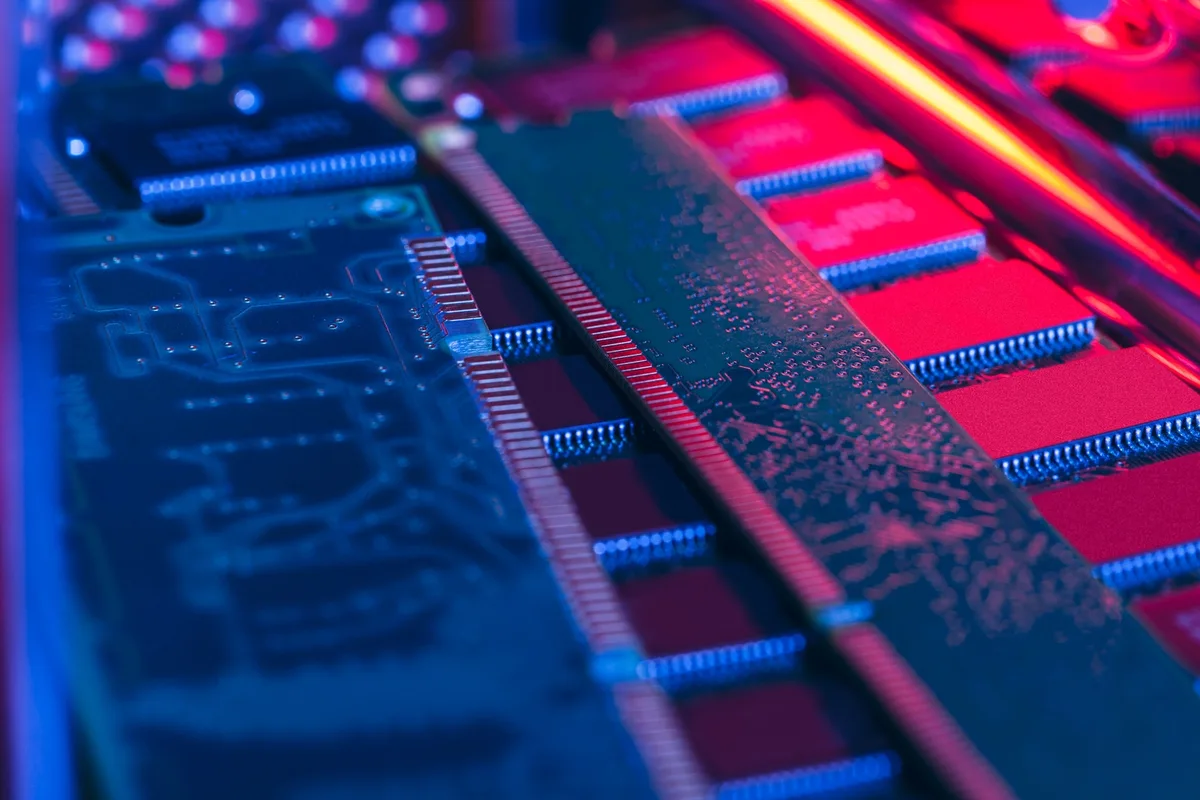
The semiconductor sector has ridden a wave of artificial intelligence enthusiasm to remarkable heights, but a structural imbalance quietly building in the DRAM market may be setting the stage for a painful reversal. Analysts now project that DRAM prices could fall between 80% and 90% over the next three years — a magnitude of decline that would reshape the economics of memory chip production and rattle investor portfolios heavily weighted toward AI-adjacent hardware plays.
The core concern is oversupply. As chipmakers ramped capacity to meet what appeared to be insatiable AI-driven demand, production volumes have begun to outpace the rate at which data centers can actually absorb new memory. Data center buildouts face their own bottlenecks — from power grid constraints to cooling infrastructure and specialized labor — meaning the demand side of the equation may not keep pace with the supply surge manufacturers are engineering. When supply consistently outstrips demand in commodity chip markets, price compression tends to be swift and severe, as memory's history repeatedly demonstrates.
Read more Tech Stocks Rally Late Monday in Broad Sector Advance →
The broader implication extends well beyond DRAM producers themselves. Semiconductor giants whose valuations have been inflated by AI optimism could face multiple compression if the memory price signal is interpreted by markets as an early indicator of demand saturation. Given the outsized weighting of chip-related equities in major indices, a sector-wide correction could create meaningful drag on the S&P 500 more broadly — a systemic risk that equity markets appear to be underpricing at current levels.
For investors, the analysis serves as a reminder that AI infrastructure spending, while real and substantial, does not guarantee a linear path upward for every component of the semiconductor supply chain. Memory chips are a commodity, and commodity markets are governed by cycles that hype cycles cannot permanently suspend. Distinguishing between durable AI beneficiaries and cyclically vulnerable hardware makers may prove to be one of the more consequential portfolio decisions of the next several years.
Continue reading at SeekingAlpha.