DOJ Invokes Comey Novel to Fight Dismissal of Shell Threat Case
Federal prosecutors cite James Comey's own writing to argue his '86 47' seashell post amounted to a credible threat against President Trump.
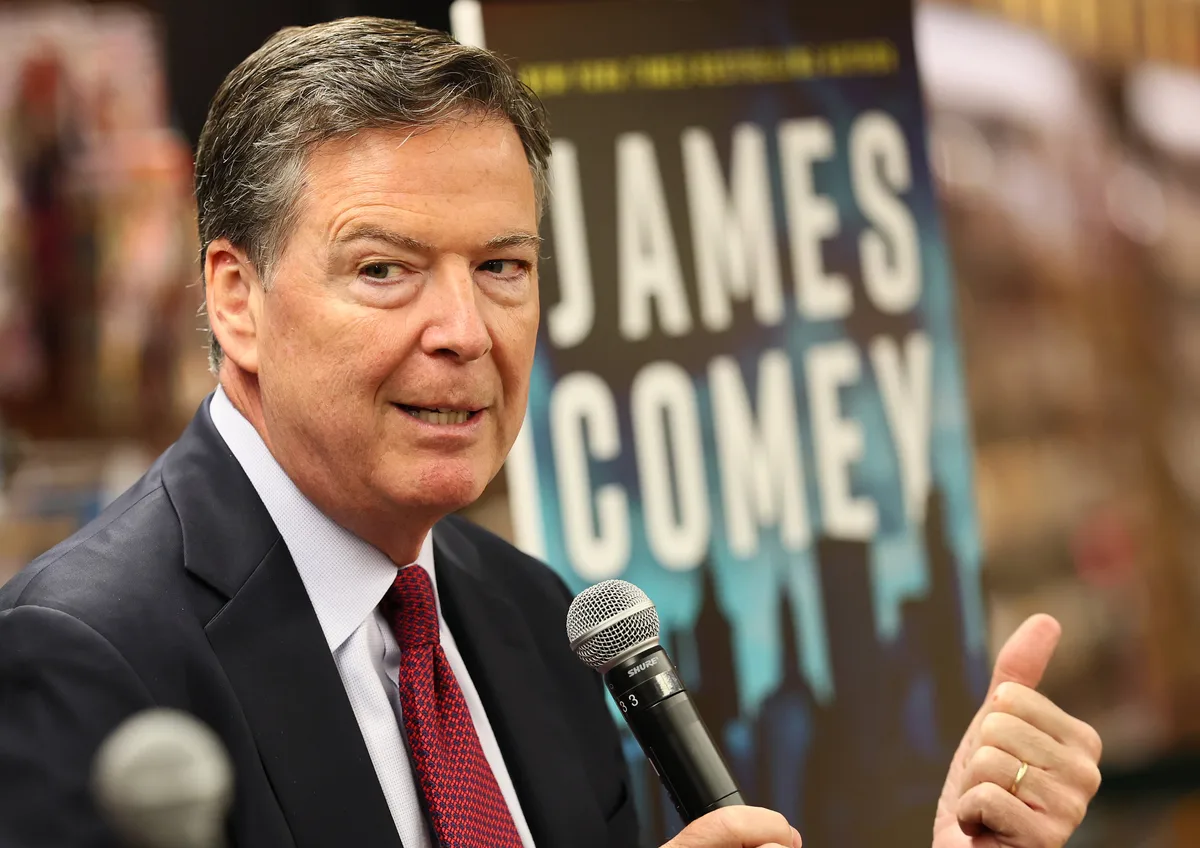
Federal prosecutors are pushing back against efforts to dismiss a criminal case tied to a social media post by former FBI Director James Comey, invoking an unusual piece of evidence in their argument: Comey's own published novel. The Department of Justice contended in a court filing that the post — featuring a photograph of seashells arranged to read '86 47' — constituted a genuine threat against President Donald Trump, and that Comey's own fiction writing helps illuminate the intended meaning behind those numbers.
The core of the government's argument rests on how a reasonable observer would interpret the imagery. '86,' in common American slang, means to eliminate or kill, while '47' refers to the 47th president — Trump. Prosecutors stated bluntly that 'there is no serious dispute that an objective viewer of Comey's post could read it to mean Kill President Trump,' framing the message as unambiguous to any informed reader regardless of Comey's stated intent.
Read more Treasury and IRS Seek to Limit Tax Credits for Work-Authorized Immigrants →
By grounding part of their argument in Comey's literary work, DOJ attorneys appear to be building a case around authorial intent and linguistic awareness — essentially arguing that a man who writes fiction professionally cannot claim ignorance of how language and symbolism communicate meaning to an audience. It is a legally and rhetorically notable move, one that attempts to foreclose a defense rooted in innocence or misunderstanding.
The case sits at the volatile intersection of free speech protections and federal statutes prohibiting threats against the president. Courts have long grappled with where provocative political expression ends and actionable threatening conduct begins, and this prosecution will likely add another data point to that unsettled legal landscape. Defense attorneys in such cases typically argue that ambiguous or symbolic speech cannot meet the legal threshold for a true threat, a standard the Supreme Court has addressed in recent terms.
The outcome could carry broad implications for how public figures and private citizens alike use coded or symbolic language on social media when referencing political leaders. Continue reading at US Top News and Analysis.