Delta's New 'Basic Business' Fares Strip Away Lounge and Seat Perks
Delta Air Lines is rolling out stripped-down premium cabin tiers that remove lounge access and seat selection from business-class travel.
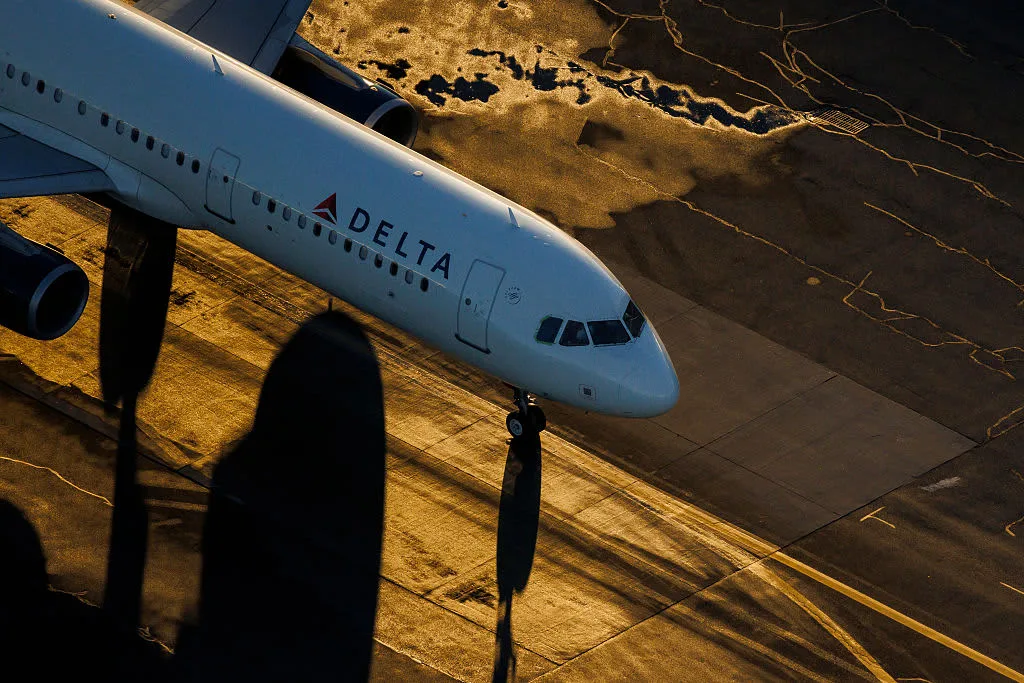
Delta Air Lines is reshaping the boundaries of what "premium" means in commercial aviation, introducing a new category called "basic business" that offers a seat in the front cabin without the full suite of perks travelers have come to expect. The move signals a broader industry reckoning: as demand for premium travel has surged in the post-pandemic era, airlines are finding ways to capture price-sensitive fliers who want the physical space of a business seat but are willing to forgo the surrounding amenities.
Under the new structure, basic business fares — and other similarly stripped-down premium options — will exclude lounge access and advance seat selection, two of the most valued benefits that have historically justified the steep price differential between economy and business class. This tiered approach effectively creates a new market segment between traditional economy and full-fare business, allowing Delta to monetize cabin inventory that might otherwise go unsold at full price.
Read more OpenAI Plans Public Release of GPT-5 and New Conversational AI Models →
The strategic logic mirrors what carriers already do in coach, where "basic economy" fares have become standard tools for yield management. Applying that same unbundling philosophy to premium cabins is a notable escalation, however, because business class has long been positioned as an all-inclusive experience — one where the ancillary benefits like lounge access are central to the value proposition, not optional add-ons. Frequent fliers and corporate travel managers will need to scrutinize exactly what they are purchasing under the new fare taxonomy.
For consumers, the development cuts both ways. Travelers gain access to a potentially lower entry price into the business cabin, but risk confusion over what a given ticket actually includes. Airlines benefit from greater pricing flexibility and the ability to fill premium seats across a wider demand curve. Whether competitors like United and American follow Delta's lead could determine whether basic business becomes an industry norm or remains a Delta-specific experiment worth watching closely.
Continue reading at US Top News and Analysis