Companies That Cut Staff for AI Are Now Hiring Them Back
Firms that reduced headcount expecting AI to fill the gap are discovering the technology's limits and reversing course.
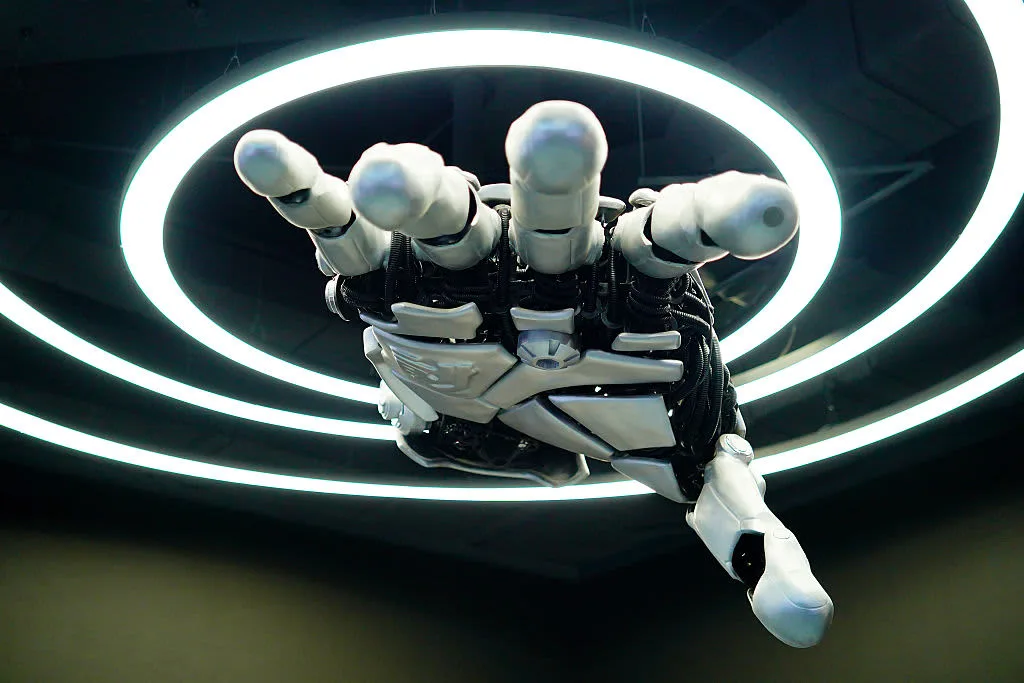
A quiet reversal is underway in corporate America. Businesses that trimmed their workforces in anticipation of artificial intelligence handling the load are now confronting an uncomfortable reality: the technology cannot do everything they assumed it could. That miscalculation is pushing a growing number of employers back toward the labor market to rehire the very workers they let go.
The pattern reflects a broader tension in how organizations have approached AI adoption. Executives, under pressure to demonstrate efficiency gains and cost savings to investors, moved aggressively to reduce headcount — often before AI tools were mature enough to absorb the responsibilities assigned to them. The result has been operational gaps that software alone cannot close, particularly in roles requiring judgment, relationship management, and contextual problem-solving.
Read more Apple Eyes Blacklisted Chinese Chipmakers to Ease Memory Shortage →
What makes this moment analytically significant is what it reveals about the gap between AI's promise and its present-day capability. Productivity gains from AI are real, but they tend to be incremental and function-specific rather than wholesale replacements for human cognition. Companies that treated AI as a staffing solution rather than a productivity multiplier appear to have misjudged the technology's actual maturity curve.
The rehiring trend also carries meaningful economic implications. Workers who were displaced by AI-driven layoffs now find themselves in a somewhat stronger negotiating position as employers return with offers. Whether those workers return — and on what terms — remains an open question, as some may have found other roles or grown wary of employers who jettisoned them in the first place. Trust, once broken in the employment relationship, is not easily rebuilt.
For businesses still weighing AI-driven workforce reductions, the experiences of early movers offer a cautionary lesson: AI augments human capacity far more reliably than it replaces it outright. The companies navigating this best appear to be those that deployed AI alongside their workforce rather than instead of it. Continue reading at US Top News and Analysis.