Chinese Fraud Rings Drain Billions From Banks and Retailers
Organized crime groups from China are generating up to $1 billion yearly through sophisticated tap-to-pay fraud schemes hitting U.S. banks and retailers.
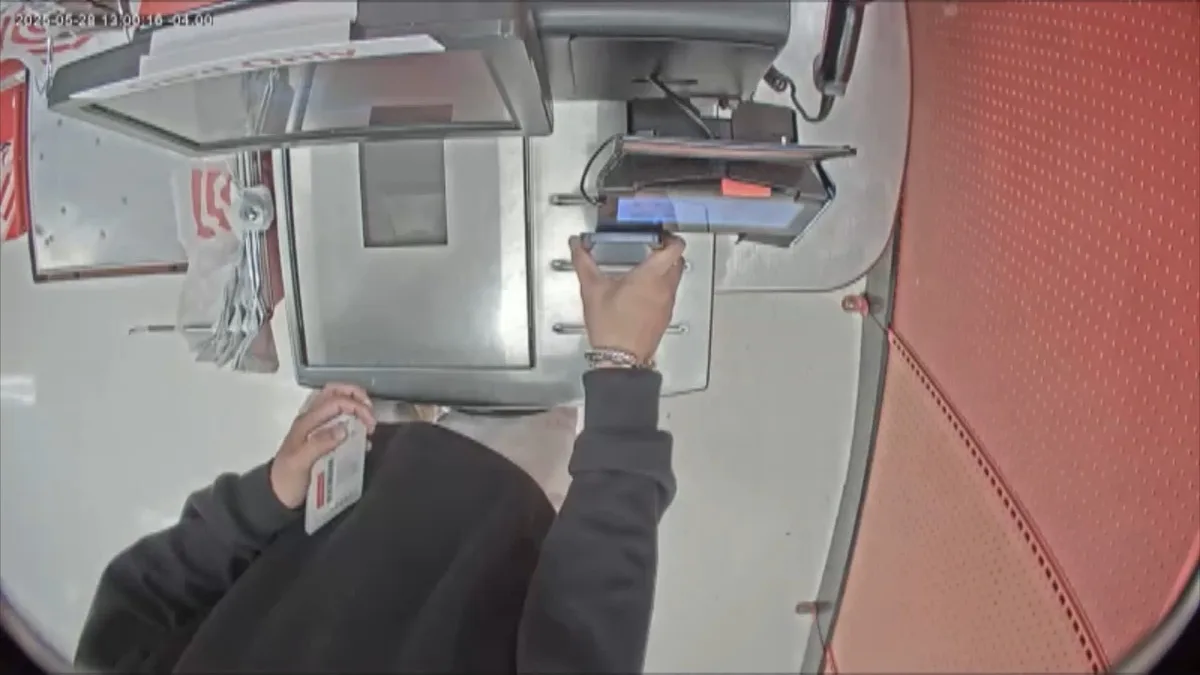
A new wave of organized financial crime originating from Chinese criminal networks is costing American banks and retailers staggering sums — as much as $1 billion annually — through coordinated tap-to-pay fraud operations. The scale and sophistication of these schemes mark a significant escalation in the threat landscape facing U.S. financial institutions and retail businesses.
Tap-to-pay fraud exploits the contactless payment infrastructure that has become ubiquitous at checkout counters nationwide. While the convenience of near-field communication technology has been widely embraced by consumers and merchants alike, criminal enterprises have found ways to weaponize that same infrastructure, turning everyday transactions into vectors for large-scale theft.
Read more Chinese Fraud Rings Drain Billions From Banks via Tap-to-Pay Scams →
The involvement of organized crime rings — rather than individual bad actors — points to a deeper structural challenge for law enforcement and fraud prevention teams. Organized networks bring resources, operational discipline, and the ability to scale attacks rapidly across geographies, making them far more difficult to disrupt than opportunistic fraudsters working alone. The billion-dollar annual figure, if accurate, would place this threat category among the most costly financial crimes targeting the U.S. retail and banking sectors.
For banks and retailers, the implications extend beyond direct financial losses. Fraud at this scale erodes consumer trust in contactless payment systems, drives up operational costs for fraud detection and dispute resolution, and puts pressure on card networks to accelerate security protocols. Institutions that lag in updating their fraud-monitoring frameworks face disproportionate exposure as these criminal operations grow more refined.
The emergence of this threat underscores a broader pattern: as digital payment adoption accelerates, so does the ingenuity of those seeking to exploit it. Regulators, financial institutions, and retailers will need to collaborate more closely if they hope to contain losses and preserve confidence in the tap-to-pay ecosystem. Continue reading at US Top News and Analysis.