Carl Icahn Challenged Larry Fink Over BlackRock's Shareholder Role in 2015
A decade before BlackRock became a political lightning rod, Carl Icahn publicly accused Larry Fink of shielding underperforming executives from accountability.
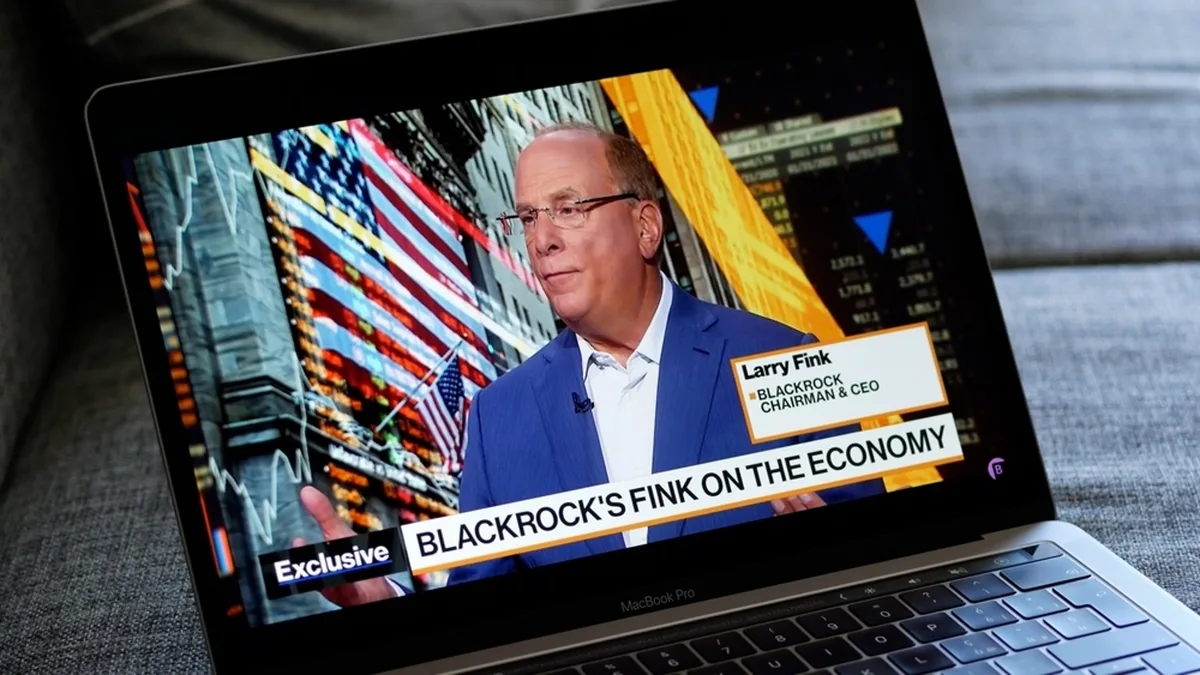
Long before BlackRock grew into the world's largest asset manager and a fixture of Washington debates over corporate influence, activist investor Carl Icahn was already raising pointed questions about where the firm's loyalties lay. In 2015, Icahn publicly confronted Larry Fink, arguing that BlackRock — then overseeing roughly $4.8 trillion in assets — was using its enormous voting power to protect entrenched corporate management rather than advocate for shareholders who needed protection most.
The flashpoint was Motorola Solutions, a company Icahn valued as a roughly $9 billion example of what he saw as misaligned incentives between passive asset managers and ordinary investors. His core argument was structural: when a firm like BlackRock holds stakes across thousands of companies and generates revenue from those same corporate relationships, its incentive to push back against underperforming executives becomes compromised. Voting with management, in Icahn's framing, was the path of least resistance and the most commercially convenient one.
Read more Regulatory Disclosure Filed on Pollen Street Group Limited →
The confrontation illustrated a tension that has only grown more acute in the decade since. Index fund giants now control voting blocs large enough to swing shareholder resolutions at virtually any major public company in America. Critics across the ideological spectrum — from progressive advocates demanding more aggressive climate votes to conservatives who argue the opposite — have echoed some version of Icahn's original complaint: that scale without accountability distorts the market's corrective mechanisms.
Fink and BlackRock have consistently defended their stewardship practices, arguing that engagement with management over time produces better long-term outcomes than the confrontational tactics favored by activists. Whether that philosophy protects shareholders or insulates executives remains one of the defining debates in modern corporate governance — one that Icahn, characteristically, was early to force into public view.
Continue reading at Benzinga.