Bitcoin's BIP 110 Fork Deadline Approaches With No Miner Backing
A proposed Bitcoin protocol upgrade faces an existential deadline as it has failed to attract any miner support, raising questions about its viability.
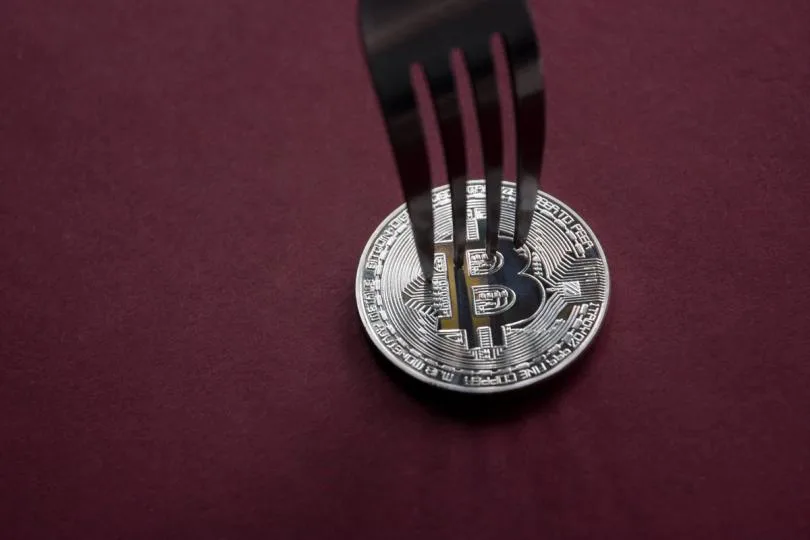
A significant deadline is approaching for Bitcoin Improvement Proposal 110, a protocol upgrade that has so far failed to secure any measurable support from the miners whose computational backing is essential for such changes to take effect. Without miner buy-in, the proposal faces near-certain defeat regardless of its technical merits.
In Bitcoin's governance model, miners hold considerable sway over which protocol changes actually get implemented. Activation mechanisms typically require a supermajority of hash power to signal readiness before a fork can proceed, meaning that zero miner support at this stage is not merely a setback — it is a functionally terminal condition for the proposal under its current framework.
Read more Citigroup Stands Out in Bank Earnings Season — But Challenges Remain →
The lack of enthusiasm from miners could reflect several dynamics common to Bitcoin governance disputes: disagreement over technical trade-offs, concerns about economic incentives, or simply a preference for the status quo in a network where stability is often treated as a feature rather than a limitation. Historically, contentious Bitcoin forks have either stalled entirely or triggered prolonged community standoffs, as seen during the block-size wars of the mid-2010s.
What makes this situation analytically notable is what it reveals about the ongoing difficulty of coordinating upgrades to a decentralized network with no central authority. Even proposals with genuine technical backing can die quietly if they fail to build coalition support among the economically motivated actors — miners, exchanges, and large node operators — who collectively define Bitcoin's operational reality.
As the deadline draws closer, the path forward for BIP 110 appears narrow. Whether advocates will seek to revise the proposal, extend the activation window, or abandon the effort altogether remains to be seen. Continue reading at CoinDesk.