Big Tech's AI Grid Costs Shift to Consumers, Sparking Backlash
State regulators are intervening as Big Tech's AI energy demands raise utility bills, putting traditional utility stocks at political risk.
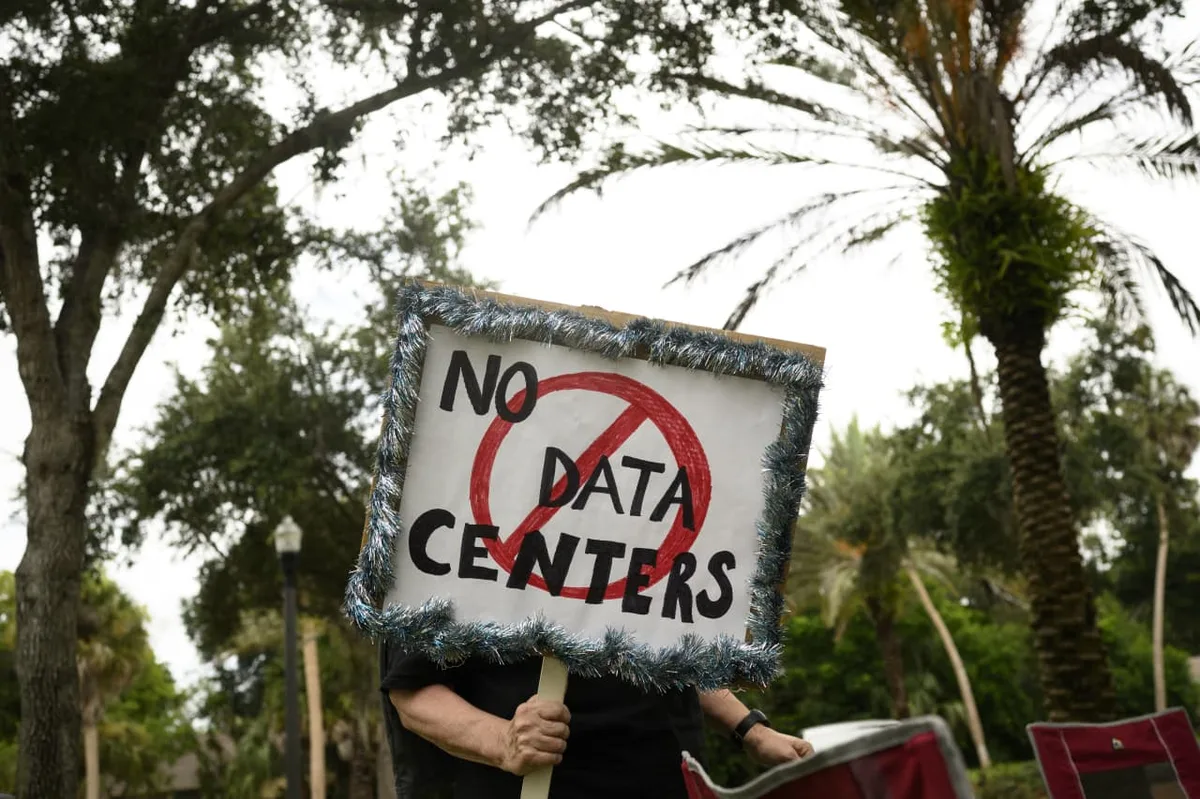
The explosive growth of artificial intelligence is quietly reshaping household energy bills, and voters are beginning to notice. As hyperscale data centers consume ever-larger shares of regional power grids, the costs of grid expansion have historically been socialized across all ratepayers — meaning ordinary consumers subsidize the infrastructure that tech giants depend on for their AI ambitions.
Now, state regulators are pushing back against that arrangement. Across multiple jurisdictions, utility commissions are revisiting cost-allocation frameworks that have long favored large industrial customers, with a growing number of regulators signaling that the companies driving extraordinary load growth should bear a proportionally larger share of the infrastructure investment required to serve them. That shift represents a meaningful departure from decades of utility rate-setting precedent.
Read more Strategy Raises $544M in Stock Sales, Buys Back Preferred Shares →
For investors in traditional utility stocks, this regulatory realignment carries real consequences. Utilities that anticipated steady, predictable earnings from data-center load growth may find that political pressure compresses the returns they can extract from those relationships. If regulators force tech companies to fund dedicated grid infrastructure rather than drawing on shared rate base, the investment thesis for utility equities tied to AI demand becomes considerably more complicated.
The political dimension is equally significant. Consumer frustration over rising electricity rates has emerged as a tangible issue at the state level, giving regulators both the mandate and the incentive to act. Big Tech's AI build-out, once framed primarily as an economic opportunity for power companies and their shareholders, is increasingly being cast as a cost burden imposed on working households — a framing that carries considerable electoral weight in states with competitive utility regulation.
The outcome of these regulatory battles will likely define the financial relationship between the technology sector and the power grid for years to come, with implications that stretch from Wall Street utility desks to state capitol hearing rooms. Continue reading at MarketWatch.com