Berkshire Ends 14-Quarter Selling Streak With $23.5B Stock Spree
Warren Buffett's Berkshire Hathaway returned to buying mode in a big way, with $10 billion flowing to a single private deal.
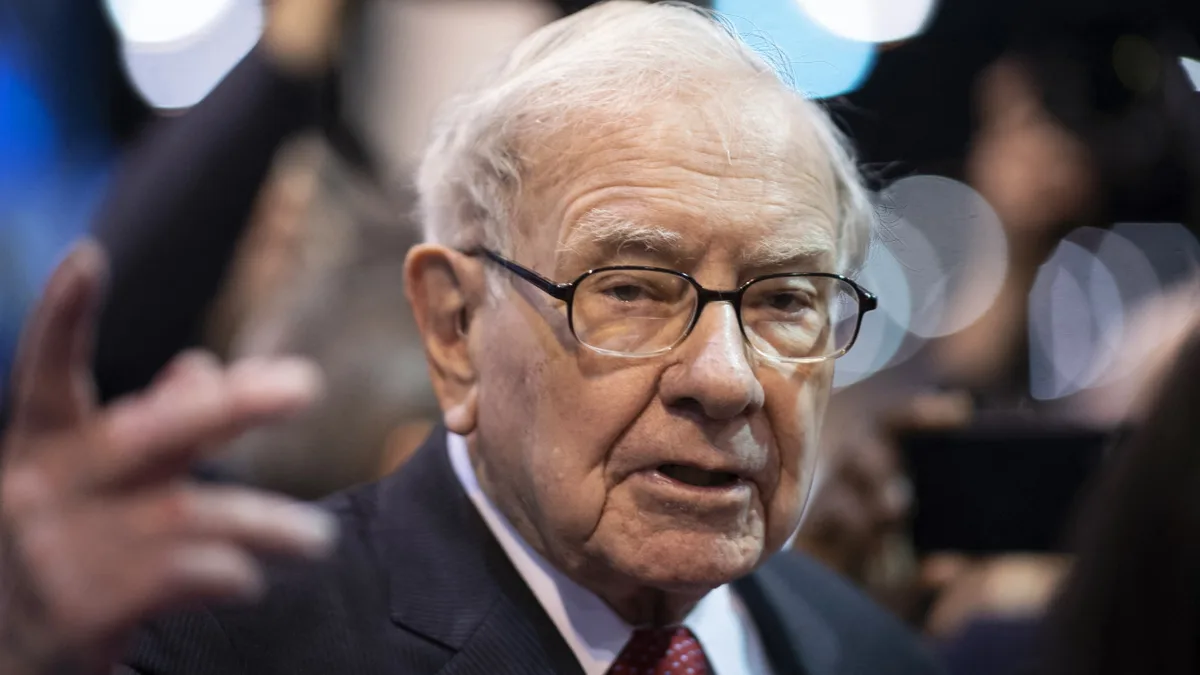
Warren Buffett's Berkshire Hathaway has broken a remarkable 14-quarter stretch of net stock selling, deploying approximately $23.5 billion into equities in a move that signals a meaningful shift in the conglomerate's posture toward markets. For more than three years, Berkshire had been a consistent net seller — a stance widely interpreted as Buffett's implicit judgment that public markets were offering little in the way of compelling value. The reversal is therefore significant not just in dollar terms but as a potential read on where the Oracle of Omaha sees opportunity today.
Perhaps the most striking detail is that roughly $10 billion of that total flowed into a single company at a privately negotiated price — bypassing the open market entirely. Private transactions of this scale allow Berkshire to avoid the price impact that comes with accumulating a large public stake, and they often come with preferred terms unavailable to ordinary investors. The identity of that counterparty and the precise structure of the deal carry meaningful implications for how Berkshire views the risk-reward balance in the current environment.
Read more Dow Jones Movers: Top Gainers and Losers One Hour Before Close →
The broader context here matters enormously. Berkshire had been sitting on a historically large cash pile, drawing both admiration and impatience from analysts who questioned whether that fortress balance sheet reflected disciplined patience or an inability to find worthy targets. A $23.5 billion deployment in a single quarter — with a substantial chunk going to one private arrangement — suggests Buffett and his team found the price and terms they had been waiting for, rather than simply capitulating to pressure to put money to work.
For market observers, the break in Berkshire's selling streak functions almost like a signal flare. When one of the world's most disciplined allocators shifts from harvesting cash to writing large checks, it invites scrutiny of which sectors or business models cleared the firm's threshold for durable competitive advantage at a sensible price. Whether this marks the beginning of a sustained buying cycle or a one-quarter anomaly driven by a unique private opportunity remains the central question.
Continue reading at Yahoo Finance