AMSC Gains Traction as Grid, Wind, and Data Centers Converge
American Superconductor is attracting fresh investor interest as demand from three key sectors aligns with its core technology strengths.
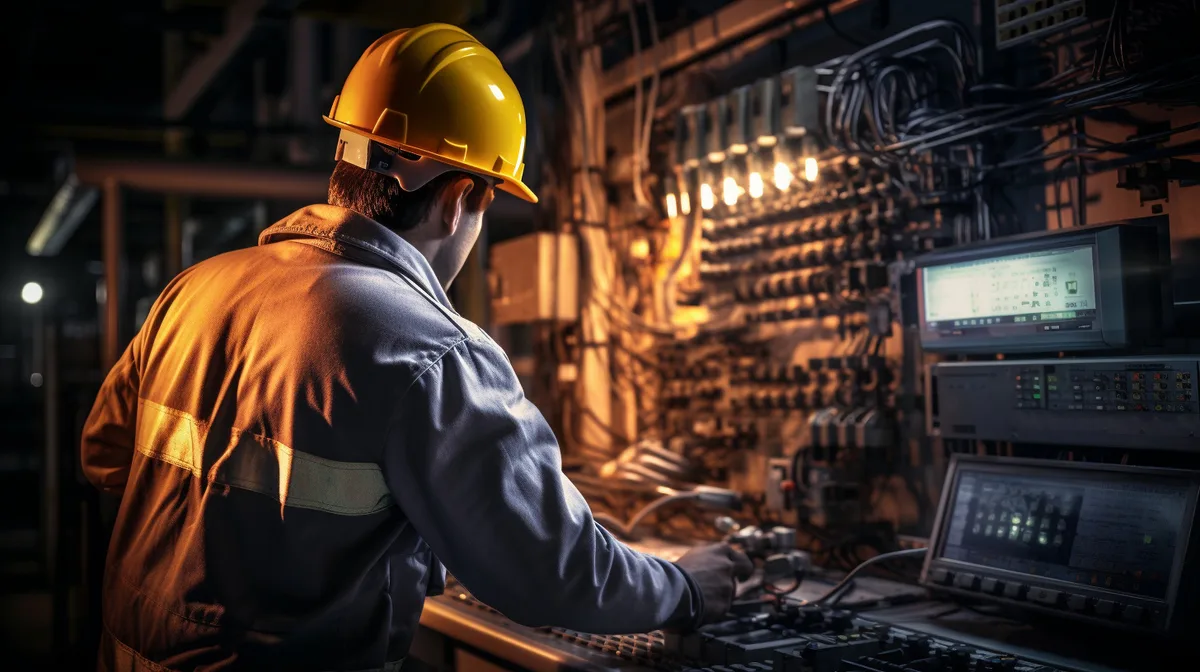
American Superconductor Corporation, the Massachusetts-based power electronics and grid solutions company known by its ticker AMSC, is drawing heightened attention from investors and analysts as three distinct but interconnected forces — electrical grid modernization, wind energy expansion, and surging data-center power demand — converge around the specialized technologies the company has spent decades developing.
The timing matters. Utilities across the United States and internationally are under mounting pressure to upgrade aging transmission infrastructure, a challenge that puts grid-hardening technologies squarely in focus. AMSC's superconductor-based systems and power electronics are designed precisely for this environment, offering efficiency gains and fault-current limiting capabilities that conventional copper-wire solutions struggle to match at scale.
Read more Can a $1,000 Stock Investment Really Grow 100x in a Decade? →
Wind energy represents a second pillar of demand. As onshore and offshore wind projects accelerate globally, the need for reliable power conversion systems — an area where AMSC has established commercial relationships — expands in parallel. The company's wind power segment has historically been a volatile revenue driver, but the broader buildout of renewable capacity gives it a more durable runway than it has enjoyed in prior cycles.
Data centers may be the most consequential new variable in this demand equation. The artificial intelligence infrastructure boom is driving unprecedented electricity consumption at hyperscale facilities, forcing developers and grid operators alike to think carefully about power quality, reliability, and delivery. Technologies that can manage large bursts of electrical load or protect sensitive equipment from grid disturbances are becoming strategically valuable in ways that were less obvious just two or three years ago.
Taken together, these three demand vectors create a relatively rare alignment for a company that has long operated in a niche market — one where the technology was often acknowledged as promising but the addressable market felt distant. That distance appears to be closing. Continue reading at Yahoo Finance.